

Updated November 12, 2026. This post was first published on August 5, 2019, a few weeks after Colorado’s state crime lab began testing DUI blood samples for free. We have updated it with what was reported in the months that followed and added how lab timing can matter in a DUI case. The original discussion is kept below in past tense.
Starting July 1, 2019, the Colorado Bureau of Investigation (CBI) began offering free blood testing in DUI cases to law enforcement agencies. The goal, according to reporting at the time, was to encourage agencies with tight budgets to submit samples they might otherwise have skipped because of cost. The change raised two questions that matter to anyone charged with DUI: whether the state lab could keep up, and what a slowdown would mean for the timing of a case.
What Changed in July 2019
Before the change, many Colorado agencies sent blood samples to private labs. As the Colorado Sun reported, CBI offered blood draw tests for free to police agencies across the state, and the offer was quickly taken up, especially by smaller departments that had found it hard to pay the $300 or more typically charged by private labs.
In Colorado, that largely meant ChemaTox, a private lab in Boulder County that a 2019 media report described as having “been handling thousands of cases for Colorado law enforcement for years.” Its owner said at the time that the company would likely be forced out of business by the change.
What We Wrote at the Time
When this post was first published, critics argued that DUI prosecutions could be threatened if lab technicians could not work through the new volume of cases in time. Commentators pointed out that slower testing could affect not only prosecutors but also Colorado drivers charged with DUI, including their right to a speedy trial. We said then that the new system raised questions that could lead to changes in how it operated.
What Was Reported Afterward
On October 10, 2019, the Colorado Sun reported that CBI’s September report to state budget writers showed submissions had nearly doubled, reaching 1,512 in July and August. CBI said tests were taking about 23 to 24 days, below the 60-day mark prosecutors said they need. The agency reported nearly 160 hours of toxicology overtime in August, said it hoped to fill open lab positions, and said it could ask agencies to resume paying for tests if needed. The same report said ChemaTox had closed.
The Colorado Sun’s October report did not identify any DUI case dismissed because of lab delays. CBI’s toxicology services page describes free toxicology testing for Colorado law enforcement agencies investigating impaired driving cases. Our earlier post on Colorado’s efforts to get accurate alcohol blood tests covers CBI’s 2015 expansion of DUI toxicology testing.
Why Lab Timing Can Matter in a DUI Case
Lab turnaround is not just an administrative issue. It can affect both the evidence and the schedule of a criminal case.
The Two-Hour Sample Window
Under Colorado’s expressed consent statute, section 42-4-1301.1(2)(a)(III), a driver must cooperate so that a breath or blood sample can be obtained within two hours of driving. Our post on whether Colorado has an implied consent law explains how that rule works. Once the sample is drawn, how it is stored, transported, and analyzed can become part of the defense review, which is one reason we look closely at chain of custody and lab records. Our article on the three kinds of blood alcohol concentration tests describes the methods involved.
The Six-Month Speedy Trial Rule
Colorado’s speedy trial statute, section 18-1-405(1), generally requires that a defendant be brought to trial within six months from the date a plea of not guilty is entered. If that does not happen and no exception applies, the pending charges are to be dismissed and the defendant may not be charged again for the same offense. Section 18-1-405(5) adds that the defendant must move for dismissal before trial begins, and failing to do so is a waiver. Section 18-1-405(6) excludes certain periods from the six months, including delay caused at the instance of the defendant and, in limited circumstances, delay from a continuance the prosecution obtains because material evidence is unavailable. That last exception is one reason lab timing can matter, and whether a particular delay counts is a case-specific question.
Questioning Blood Test Evidence
Whether a test was run by CBI or a private lab, the result is only as reliable as the process behind it. As we discuss in why blood tests and breath tests can be wrong, problems with collection, storage, instrument calibration, and analyst procedures can all be grounds to challenge a result. A defense review typically includes the lab’s case file, the analyst’s qualifications and records, and the timeline from the traffic stop to the final report.
Talk With a Denver DUI Defense Attorney
Shazam Kianpour & Associates, P.C. is a Denver criminal defense firm, and our Denver DUI lawyers review blood and breath test evidence in DUI and DWAI cases. This post is general information about Colorado law and is not legal advice about any specific case.
If you are waiting on blood test results or have received a lab report in your case, you can reach us through our confidential contact form.
Sources
The Colorado Sun, reporting on CBI DUI testing, July 29, 2019 (linked above) and Oct. 10, 2019
Colorado Revised Statutes sections 42-4-1301.1(2)(a)(III) and 18-1-405
Frequently Asked Questions About DUI Blood Testing in Colorado
Who tests DUI blood samples in Colorado?
Since July 1, 2019, the Colorado Bureau of Investigation has offered free blood testing in DUI cases to law enforcement agencies, and many agencies moved their testing to the state lab. Before that change, a large share of DUI blood testing in Colorado was handled by private labs.
How long does a DUI blood test take to come back in Colorado?
It varies with lab workload. In October 2019, the Colorado Sun reported that CBI said tests were taking about 23 to 24 days, while prosecutors said they needed results within 60 days. Your attorney can track when results arrive and whether any delay affects the case schedule.
Can a DUI case be dismissed if lab results take too long?
Possibly, but it depends on the facts. Colorado’s speedy trial statute generally requires trial within six months of a not guilty plea, and the defendant must move for dismissal before trial or the issue is waived. The statute also excludes certain periods from the six months, such as delay caused at the instance of the defendant.
How soon after driving must a DUI blood sample be taken in Colorado?
Under section 42-4-1301.1, a driver must cooperate so that the breath or blood sample can be obtained within two hours of driving. Timing problems with the draw are one of the issues a defense lawyer may review.
Can blood test results be challenged in a Colorado DUI case?
Yes. A defense review can look at how the sample was collected, stored, and transported, the lab’s procedures and records, and the qualifications of the analyst. Problems at any step may be grounds to challenge the reliability or admissibility of a result.
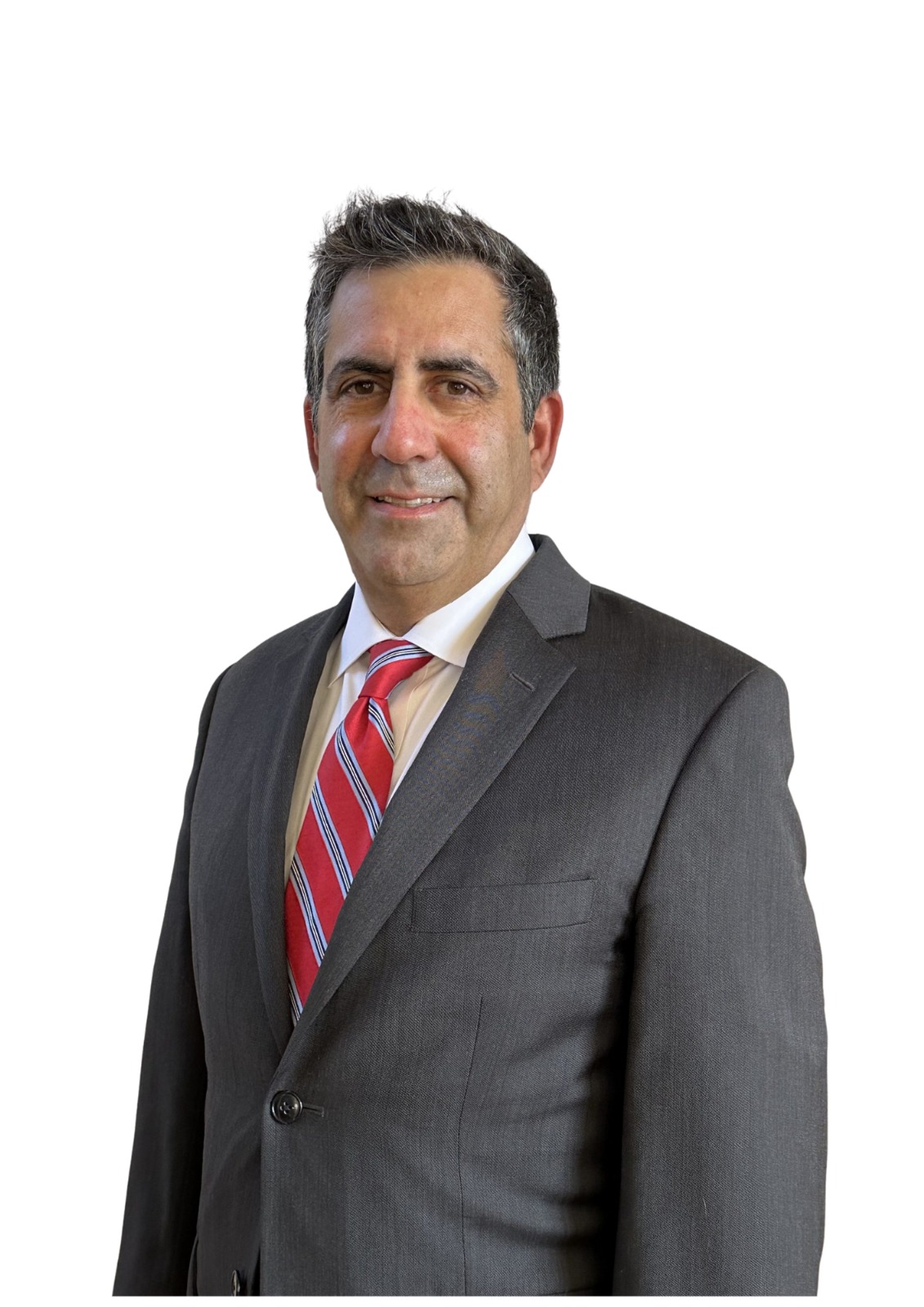
Written by
Shazam KianpourDenver Criminal Defense Attorney & Founder, Shazam Kianpour & Associates, P.C.