
Legally Reviewed by Shazam Kianpour on August 25, 2026
An appeal by Arapahoe County prosecutors of a DUI case decision won’t be heard by the U.S. Supreme Court. The court let stand a Colorado Supreme Court ruling that excluded blood test evidence in the case.
The state had argued that law enforcement officials should be allowed to obtain blood samples when they believe there’s not enough time to obtain a warrant before a suspect’s blood alcohol level drops, the Associated Press reported.
The news service noted that two years ago, the U.S. Supreme Court had decided in a different case “that authorities must consider several factors and be able to justify why they did not obtain a warrant before drawing blood.”
The Fort Morgan Times reported early last month that the latest case began when an Arapahoe County man drove into a rush-hour intersection and hit an oncoming car. The man’s blood-level was tested at nearly three times the legal limit.
The officer who arrested him never tried to obtain a warrant to do the blood test, however.
The Colorado Supreme Court eventually ruled that the blood-test evidence could not be used against the man. Now the nation’s highest court has refused to hear the case, letting the Colorado decision stand and compelling law enforcement to continue to get warrants before ordering a blood draw from a suspect – or be able to justify their failure to get a warrant.
The Arapahoe Chief Deputy District Attorney said warrantless cases are not uncommon. The prosecutor expected the Supreme Court to provide clarity to the issue, which it has done by allowing the exclusion of the blood-test evidence to stand.
Attorneys experienced in DUI defense understand the laws protecting you against unconstitutional searches and can help you protect your rights and freedom.
Source: Associated Press, “Supreme Court won’t hear dispute over DUI blood tests,” Jan. 12, 2015
The Fourth Amendment and Warrantless Blood Draws in DUI Cases
The case referenced above rests on the Fourth Amendment’s protection against unreasonable searches and seizures, which extends to a forced blood draw. In Missouri v. McNeely, decided in 2013, the U.S. Supreme Court held that the natural metabolism of alcohol in the bloodstream does not, by itself, create the kind of emergency that allows police to skip getting a warrant before a blood draw. Instead, officers must generally obtain a warrant, or be able to point to specific circumstances that made getting one impractical under the totality of the situation.
What “Exigent Circumstances” Means in a DUI Investigation
Because BAC naturally declines over time, officers sometimes argue that a delay to obtain a warrant would let evidence disappear before it can be collected. Courts evaluate this argument case by case, considering factors such as how long a warrant would realistically take to obtain, whether a magistrate was reasonably available, and how far the officer was from a facility that could perform the draw. Courts do not accept a blanket rule that alcohol metabolism alone justifies skipping the warrant requirement.
Factors Courts Commonly Weigh
- Availability of a magistrate: whether a judge was reasonably reachable to issue a warrant quickly.
- Distance and logistics: how far the suspect was from a hospital or facility equipped to draw blood.
- Officer conduct: whether the officer made any attempt to seek a warrant before proceeding.
When these factors are not adequately addressed, evidence obtained from a warrantless blood draw can be suppressed, meaning the prosecution cannot use it at trial.
Why a Suppression Ruling Can Be Significant in a DUI Case
Blood test results are often central to the prosecution’s case in a DUI matter. When that evidence is excluded because it was obtained without a valid warrant or a recognized exception, the case the prosecution can present becomes considerably weaker, though it does not automatically mean the case is dismissed. This is why the warrant requirement, and any exceptions to it, are frequently a focal point in DUI defense.
Frequently Asked Questions About Blood Draws in Colorado DUI Cases
Do police always need a warrant to draw blood in a Colorado DUI stop?
Generally, yes. Under Missouri v. McNeely, the natural dissipation of alcohol in the blood alone does not create an automatic exception to the warrant requirement. Officers must obtain a warrant or point to specific circumstances that made doing so impractical.
What happens if blood test evidence is obtained without a warrant improperly?
A court can suppress the evidence, meaning the prosecution cannot use it at trial. This can significantly weaken the case against a defendant, though it does not automatically result in a dismissal.
What factors do courts consider when reviewing a warrantless blood draw?
Courts typically weigh whether a magistrate was reasonably available, the distance to a facility that could perform the blood draw, and whether the officer made any effort to obtain a warrant before proceeding.
Does refusing a blood test avoid these Fourth Amendment issues?
Refusal raises separate issues under Colorado’s express consent law, which can trigger an automatic license consequence through a DMV hearing independent of the criminal case, so refusal is not simply a way around the warrant question.
Can a defense attorney challenge how a blood sample was obtained?
Yes. An attorney can examine whether a warrant was obtained, whether a recognized exception applied, and whether proper procedures were followed in collecting and testing the sample.
Whether a blood draw in a Colorado DUI case was properly supported by a warrant can significantly affect what evidence the prosecution is allowed to use. Shazam Kianpour & Associates, P.C. has represented clients in Denver DUI cases involving these constitutional issues for years. Contact our office to discuss your situation.
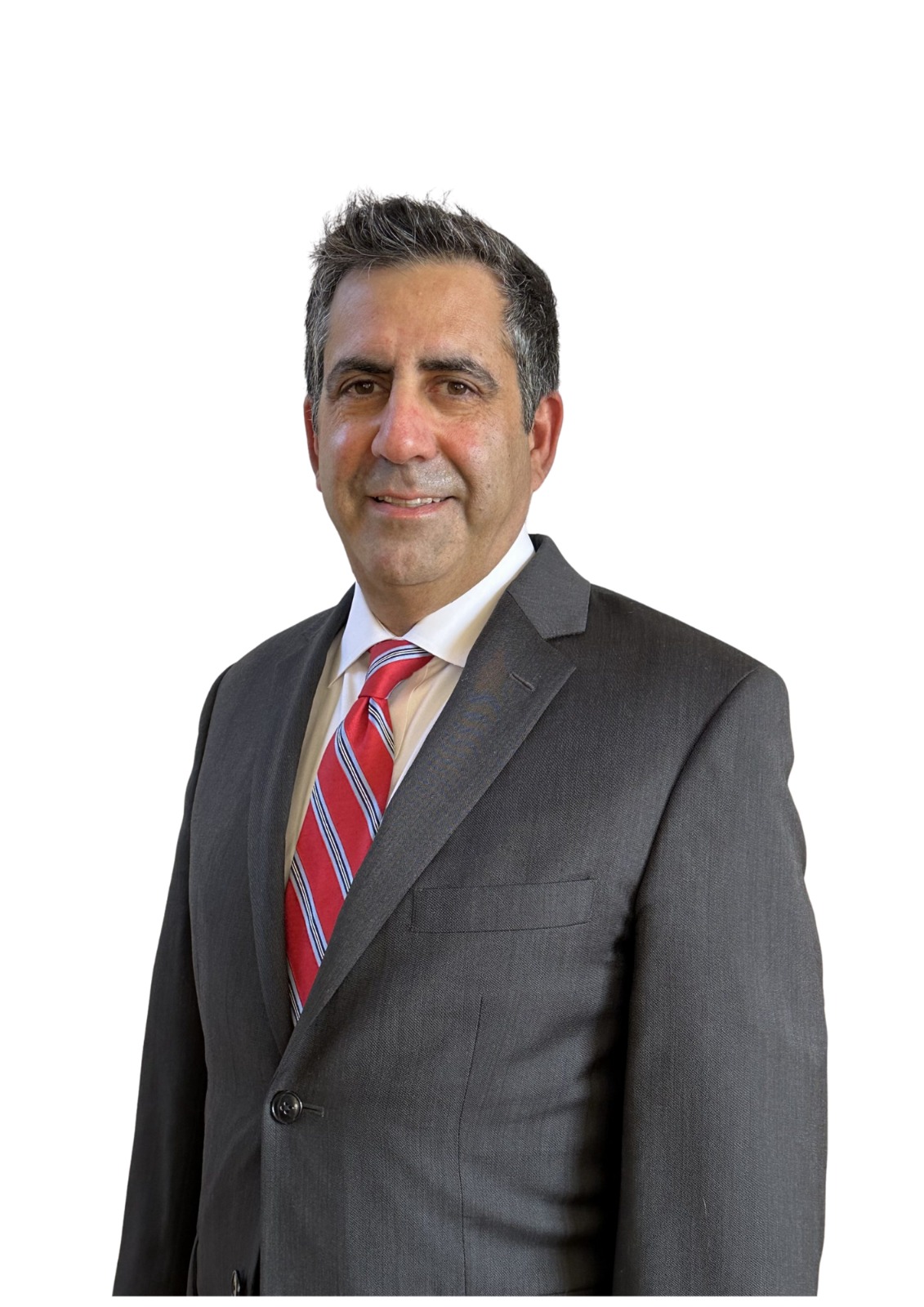
About the Attorney
Founder, Shazam Kianpour & Associates, P.C.
Shazam Kianpour is a Denver criminal defense attorney who has handled thousands of criminal and traffic cases across Colorado, including DUI, DWAI, and DMV hearing matters. He previously served as a Colorado State Public Defender and is a member of the Colorado Bar Association and the Colorado Criminal Defense Bar.
Written by
Shazam KianpourDenver Criminal Defense Attorney & Founder, Shazam Kianpour & Associates, P.C. — Over 10,000 criminal and traffic cases handled across Colorado.