
Legally Reviewed by Shazam Kianpour on September 22, 2026
You’re sitting on the couch watching a CSI crime drama and note that it’s just about 7:50 p.m. The show is close to concluding, with no real promise that the guy who you can see is clearly guilty of a heinous crime will be identified and held accountable.
Wait a second. A cop has just walked into the forensics lab with a single piece of hair. A focused lab professional places it under a microscope. Is there still time to catch the bad guy? Readers know the answer to that. Viewers of such shows almost have an internally ticking clock and linked knowledge concerning the outcome in such matters. At Shazam Kianpour & Associates, we see the real version of this story regularly, and it looks nothing like television.
Why the Public Believes Forensic Evidence Is Nearly Infallible
The public has been broadly instructed time and again that forensic evidence routinely enters the criminal law realm in a conclusive and done-deal manner, as though it is always correct. That assumption is noted legions of times, including in one Colorado legal source duly stressing that such evidence is routinely portrayed “as unimpeachable and always reliable in real life.”
Here’s the point, though: real life erects higher proof thresholds than the fictional realm. It is actually the case, as that above-cited source notes, that the forensic evidence sphere is far from being error-free. A review of hair-comparison evidence conducted by the FBI revealed that its reliability was overstated in court as much as 95 percent of the time. The implications of that for wrongly convicted individuals, especially in death penalty cases but also in matters ranging from alleged drunk driving to a variety of other offenses, are both stunning and serious.
The Broad Applicability and Reach of Forensic Evidence
Back to that television crime drama. Readers know that the evidence examined by white-coat teams of presumed experts goes far beyond mere hair analysis. Court-offered evidence also features tests and examinations relevant to the following:
- Firearms
- Bite marks
- Voice comparison
- Shoe prints
- Blood analysis using DNA
- Fingerprints
Each of these disciplines carries a different level of scientific validation. DNA analysis, when properly collected and tested, is generally considered among the more statistically reliable methods. Pattern-matching techniques such as bite mark comparison, shoe print analysis, and voice comparison rest far more heavily on an individual analyst’s subjective judgment, which is exactly where courts and researchers have identified the greatest risk of overstatement.
The American Chemical Society’s Take on Forensic Evidence
What the American Chemical Society has to say about forensic evidence used in criminal cases is instructive and arguably weighty far beyond what many other groups contend. Reportedly, the organization is the world’s largest and most respected scientific society.
It stresses this: all forensic “proof” is circumstantial. It “requires interpretation, and its presence does not necessarily imply guilt.” Forensic evidence “may form part of a case, but it is not the whole case.” That is flatly logical, and it ultimately implies that the real test concerning forensic evidence must focus on human assumptions and evaluation more than on raw data.
What National Research Says About Forensic Errors and Wrongful Convictions
A 2023 National Institute of Justice review of wrongful conviction cases found that false or misleading forensic testimony has contributed to a substantial share of documented wrongful convictions nationally, often when an analyst’s certainty in court exceeded what the underlying science actually supported. The Innocence Project has similarly reported that misapplied forensic science factors into a majority of the wrongful convictions it has helped overturn.
Our related discussion of the errors that most often drive faulty forensic conclusions breaks down the specific categories researchers point to, from contamination and human error to overstated statistical claims made in court.
How Colorado Courts Evaluate Forensic Testimony
Colorado judges act as gatekeepers before forensic or other expert testimony reaches a jury, evaluating whether the method used is reliable and whether the analyst is qualified to apply it to the specific facts of the case. A defense attorney can challenge admissibility at this stage, and even when testimony is admitted, cross-examination and a defense expert can still show a jury the limits of what the evidence actually proves.
This matters just as much in a case built on forensic evidence in a sex crime allegation as it does in a case involving physical evidence like fingerprints or firearms analysis. The underlying question is always the same: does the evidence actually establish what the prosecution claims it does, or does it only appear to because of how confidently it was presented?
What This Means if Forensic Evidence Is Used Against You
If you are facing charges built substantially on forensic evidence, it is worth remembering that a lab report or an analyst’s testimony is not automatically the final word. Shazam Kianpour has represented clients in more than 10,000 criminal and traffic cases across the Denver area and routinely evaluates forensic claims as part of building a defense, including requesting full testing records and, where warranted, retaining an independent expert. Contact our office to discuss how forensic evidence in your case may be challenged.
Frequently Asked Questions About Forensic Evidence Reliability
Is forensic evidence always scientifically validated?
No. Some forensic disciplines, including DNA analysis, have strong scientific validation, while others, such as bite mark or voice comparison, rely heavily on an analyst’s subjective judgment and have not been validated to the same degree.
How often has forensic testimony contributed to wrongful convictions?
National research, including reviews by the National Institute of Justice and the Innocence Project, has found that false or misleading forensic testimony has contributed to a substantial share of documented wrongful conviction cases.
Can a judge keep unreliable forensic testimony from reaching a jury?
Yes. Colorado judges act as gatekeepers and must be satisfied that a forensic method is reliable and that the analyst is qualified before that testimony reaches a jury.
Does DNA evidence carry the same risk of error as other forensic methods?
DNA analysis is generally considered more statistically reliable than pattern-matching methods, but it still depends on proper collection, storage, and interpretation, and errors at any of those stages can affect the result.
What can a defense attorney do if my case relies heavily on forensic evidence?
A defense attorney can request the complete underlying testing file, challenge the admissibility of unreliable methods, and retain an independent expert to review the state’s methodology and testify about its limitations.
Source: American Chemical Society, “Forensic Evidence,” ChemMatters; National Institute of Justice, “The Impact of False or Misleading Forensic Evidence on Wrongful Convictions,” Nov. 28, 2023
About the Attorney
Denver Criminal Defense Attorney
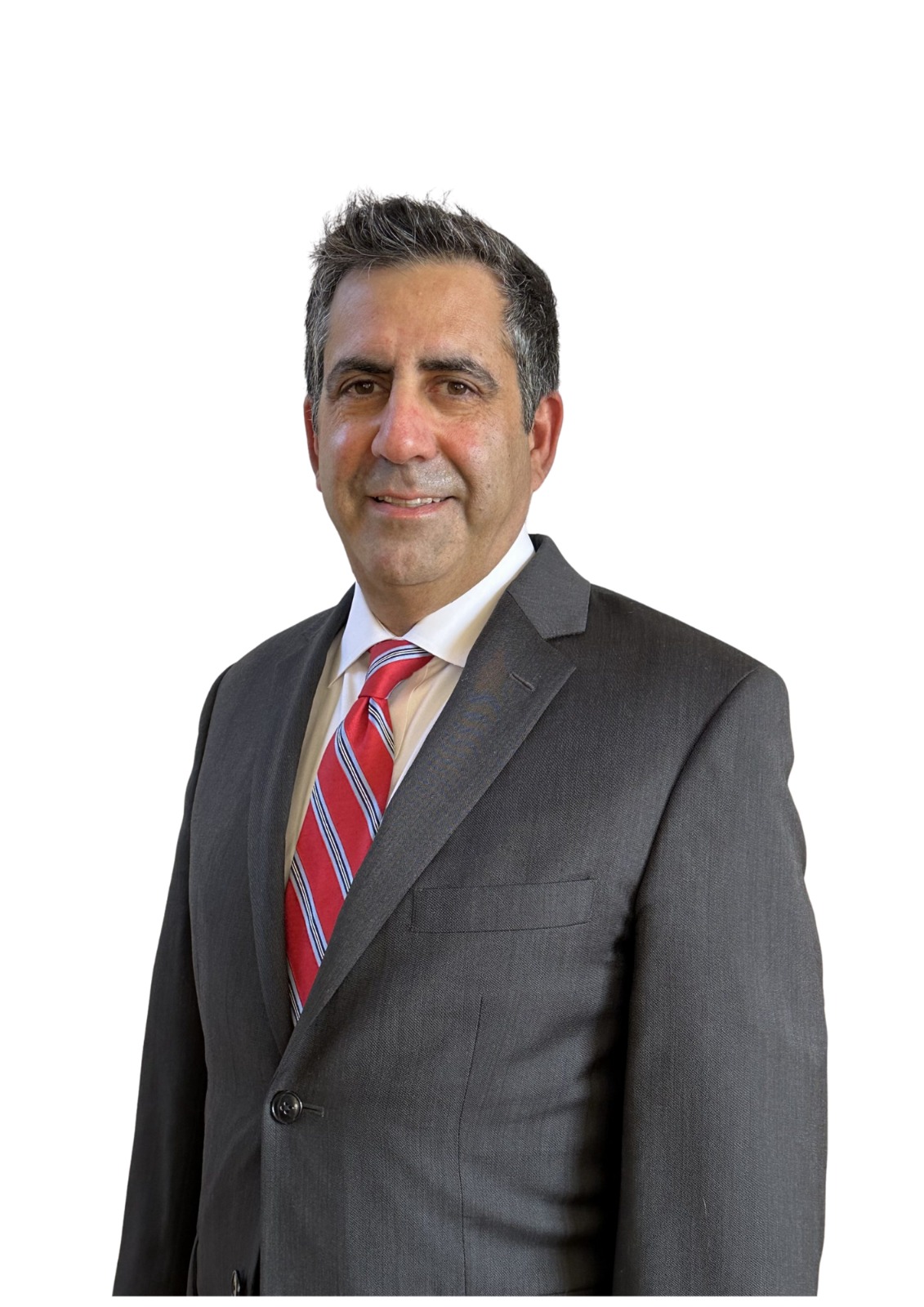
Shazam Kianpour has represented clients in more than 10,000 criminal and traffic cases across the Denver area. He is a graduate of California Western School of Law, has been licensed in Colorado since 2004, and holds a Lead Counsel Verification in criminal law covering state felony, misdemeanor, and drunk driving defense.
Written by
Shazam KianpourDenver Criminal Defense Attorney & Founder, Shazam Kianpour & Associates, P.C. — Over 10,000 criminal and traffic cases handled across Colorado.