
Legally Reviewed by Shazam Kianpour on September 22, 2026
Proven criminal defense attorneys in Colorado and across the country are never surprised upon hearing stories of less-than-accurate work being uncovered in DNA testing labs in the various states.
And they don’t feel vindicated in any “see, I told you so” manner when results leak into the public that irregularities at a laboratory, such as unsound scientific techniques being practiced, sample contamination, untrained technicians, and so forth, may have or unquestionably did lead to wrongful convictions for criminal defendants in cases alleging sex crimes, drunk driving, and additional matters.
If anything, they feel a most fatalistic concern, a kind of resignation that, given the inherent subjectivity that pervades law enforcement and routinely leads to documented cases of human error, stories regarding forensic-related mistakes will steadily emerge in news outlets nationally. At Shazam Kianpour & Associates, we have seen firsthand how much weight a jury can give to a lab result, which is exactly why every forensic claim in a case deserves scrutiny rather than automatic acceptance.
How a Crime Lab Report Reaches a Colorado Courtroom
Before a jury ever hears about a DNA match or a drug test result, that evidence passes through several hands. Evidence is collected in the field, logged into a chain-of-custody record, transported to a lab, tested by an analyst, reviewed by a supervisor, and eventually summarized in a report that a prosecutor introduces at trial. Each handoff is a point where contamination, mislabeling, or simple clerical error can occur, and each one is a point a defense attorney can examine.
That is, there will always be questions in select cases concerning the degree to which lab-based mistakes influenced outcomes that put innocent people behind bars. The long trail of lab-tainted stories continues with national news reports concerning the suspension of a long-time DNA lab director in one metropolitan area following a probe into her domain that uncovered several material concerns.
What Investigators Found in the Suspended Lab
One concern centered on what the Washington Post described as “the use of outdated methods to calculate the individuality of profiles.” Put in simpler terms, that points to investigators’ concerns regarding the likelihood that examined DNA might have come from an individual not being criminally prosecuted.
Another concern involved the suspended individual’s role as a long-tenured auditor of laboratories across the country, with her signature attesting to quality work being done in those facilities. One of the labs she signed off on was closed down recently after inspectors discovered problems that raised serious concerns, including tainted evidence. Alleged accuracy in DNA testing results is precisely what it is purported to be, namely, alleged.
Why Forensic Evidence Is Not as Certain as It Looks on Television
Crime dramas tend to present forensic science as a nearly infallible process that produces a single, obvious answer. Real forensic work is messier. According to a 2023 National Institute of Justice review, several forensic disciplines used in criminal courts, including some pattern-matching techniques, have contributed to wrongful convictions when the underlying methods were overstated or misapplied at trial. DNA analysis is generally considered one of the more reliable forensic techniques, but reliability still depends heavily on how a sample was collected, stored, and interpreted, and on whether a lab followed accepted protocols at every step.
This is one reason our breakdown of how forensic evidence affects a sex crime case walks through the specific ways DNA and digital evidence get challenged in that context, and why the same scrutiny applies whether the underlying charge involves a sex offense, an alleged DUI, or a drug case.
Common Sources of Error in Crime Lab Work
Lab-based mistakes tend to fall into a few recurring categories. Contamination can occur when a sample picks up genetic or chemical material from another source during collection or testing. Human error can occur when an analyst misreads a result, mislabels a sample, or fails to follow a testing protocol precisely. Systemic issues can occur when a lab is underfunded, understaffed, or under pressure to process a backlog of cases quickly. Outright misconduct, while rare, has also surfaced in a number of publicized cases across the country, sometimes affecting thousands of prior cases handled by a single analyst.
Our related discussion of the errors that most often drive faulty forensic conclusions looks more closely at how these categories of mistakes show up in real cases and what that has meant for people who were later cleared.
How a Defense Attorney Challenges a Lab Result
An experienced criminal defense attorney treats a lab report as a starting point for questions, not as a final word. That typically means requesting the complete underlying lab file, not just the summary report, including bench notes, calibration records, and the analyst’s qualifications. It can also mean retaining an independent forensic expert to review the state’s methodology and, where the facts warrant it, cross-examining the testing analyst about the specific steps taken in that case.
Our firm has also covered how an FBI review of hair comparison evidence uncovered widespread overstatement of reliability in criminal trials nationwide, which is a useful illustration of how even long-accepted forensic techniques can turn out to be far less certain than juries were told.
Colorado’s Rules for Admitting Expert and Lab Testimony
Colorado courts apply a gatekeeping standard before allowing expert or scientific testimony, including forensic lab results, in front of a jury. A judge generally must be satisfied that the testing method is reliable, that the analyst is qualified to testify about it, and that the specific application of the method to the case at hand was done properly. A defense attorney can challenge admissibility at this stage, before a jury ever hears the evidence, if the underlying method or the analyst’s qualifications do not hold up.
Even when a lab result is admitted, the defense can still present its own expert to explain the method’s limitations to the jury, cross-examine the state’s analyst about specific steps taken in the case, and argue that the result does not carry the weight the prosecution suggests. None of this requires proving the lab was wrong. It only requires showing the jury enough reasonable doubt about the process.
What This Means If Forensic Evidence Is Part of Your Case
An experienced criminal defense attorney will view forensic evidence in just that manner and ensure that it is thoroughly examined in any case where it is sought to be introduced as evidence against a client in a criminal law matter. If a lab report is central to the charges against you, understanding how that specific test works, what its documented error rate is, and whether the lab that produced it has a clean track record can meaningfully change how the case is defended.
Shazam Kianpour has represented clients in more than 10,000 criminal and traffic cases across the Denver area, and our team routinely evaluates forensic evidence as part of building a defense. Contact our office to discuss how lab-based evidence in your case may be challenged.
Frequently Asked Questions About Forensic Lab Evidence
Is DNA evidence always reliable in a criminal case?
DNA testing is generally considered one of the more reliable forensic techniques, but its accuracy still depends on proper collection, storage, and interpretation. Contamination, mixed samples, and lab error can all affect a result.
What can cause a crime lab result to be wrong?
Common causes include contamination during collection or testing, human error such as mislabeling or misreading results, outdated testing methods, and, in rare cases, intentional misconduct by an analyst.
Can a defense attorney request the full lab file behind a report?
Yes. Defense attorneys can request bench notes, calibration records, chain-of-custody documentation, and analyst qualifications, not just the summary report a prosecutor presents at trial.
Does a lab scandal in another state affect cases in Colorado?
Not directly, but publicized lab problems elsewhere illustrate the same categories of error that can occur at any facility, which is why Colorado defense attorneys still scrutinize the specific lab and analyst involved in a local case.
Should I hire an independent forensic expert if my case relies on lab evidence?
In cases where forensic evidence is central to the charges, an independent expert can review the state’s raw data and testing methodology, which often uncovers issues not apparent from the lab’s summary report alone.
Source: The Washington Post, “Pr. George’s police investigating DNA lab operations, suspended employee,” April 1, 2017; National Institute of Justice, “The Impact of False or Misleading Forensic Evidence on Wrongful Convictions,” Nov. 28, 2023
About the Attorney
Denver Criminal Defense Attorney
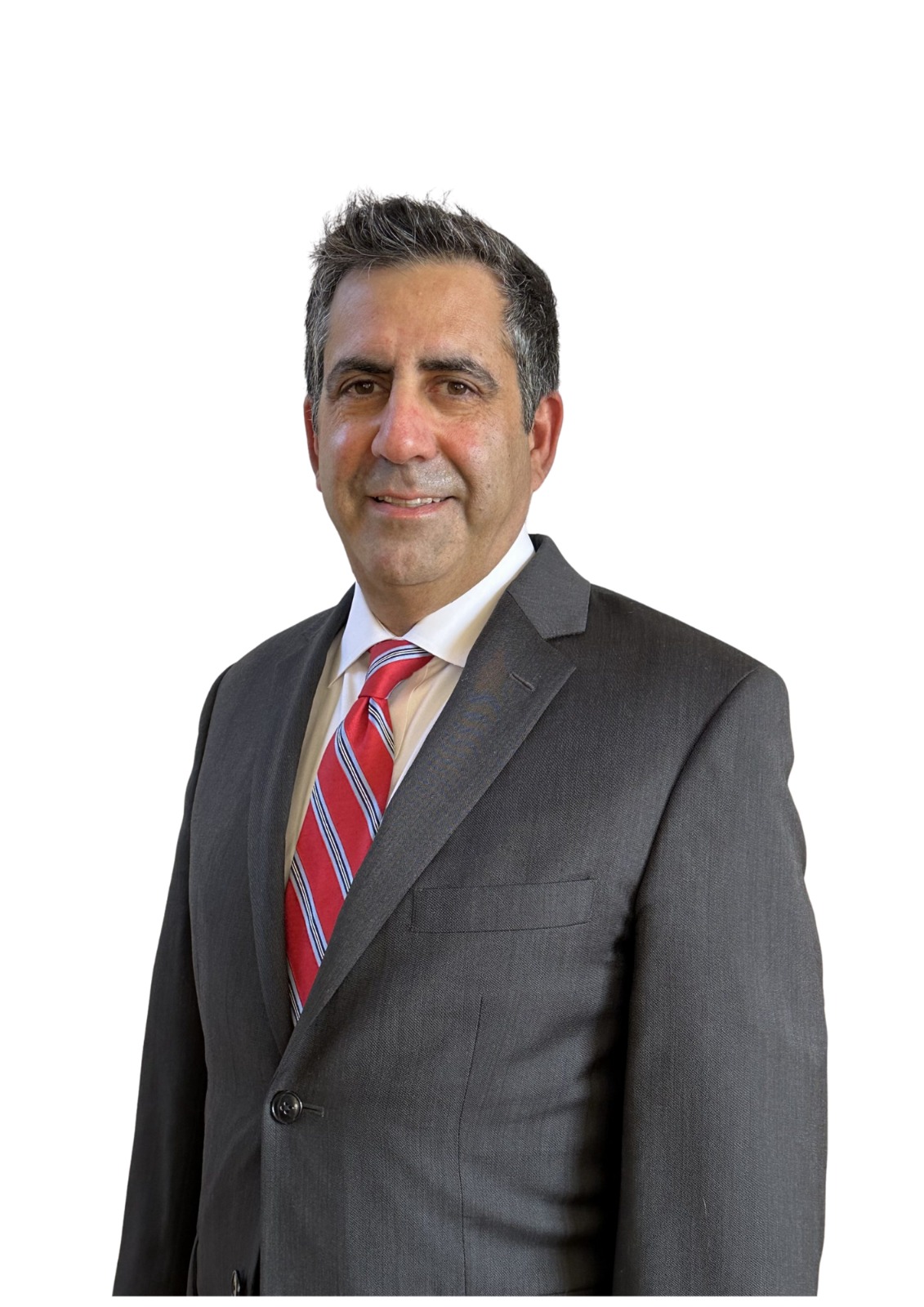
Shazam Kianpour has represented clients in more than 10,000 criminal and traffic cases across the Denver area. He is a graduate of California Western School of Law, has been licensed in Colorado since 2004, and holds a Lead Counsel Verification in criminal law covering state felony, misdemeanor, and drunk driving defense.
Written by
Shazam KianpourDenver Criminal Defense Attorney & Founder, Shazam Kianpour & Associates, P.C. — Over 10,000 criminal and traffic cases handled across Colorado.