
Legally Reviewed by Shazam Kianpour on August 21, 2026
A DUI arrest becomes headline news quickly when the person involved holds public office, and a case reported years ago involving a Texas state lawmaker remains a useful illustration of how public statements and apologies can intersect with an ongoing criminal case. That case is a good starting point for understanding a principle that applies to every driver, not just public figures: what you say after an arrest can become part of the evidence against you.
Shazam Kianpour & Associates represents drivers across Denver who are facing DUI charges, and one of the most common questions clients ask is how much they should say, to whom, and when. The answer matters just as much for a private citizen as it did in the case reported below.
What the Reports Described
According to reporting from the Associated Press and the Denver Post at the time, a 34-year-old Texas state representative was reported to have been charged with driving while intoxicated after being involved in an accident in which her vehicle struck another car, which then struck a bicyclist. Reports indicated no one was seriously hurt, though everyone involved was taken to the hospital as a precaution. The lawmaker reportedly addressed her colleagues publicly, expressing that she was sorry for the incident. This summary reflects only what was reported publicly at the time.
How a Public Apology Can Affect a Pending Criminal Case
A statement of regret, made publicly or privately, can be treated as an admission in a criminal case depending on its content and context. Prosecutors may point to statements like these as evidence relevant to the case, and defense attorneys generally advise clients to be cautious about public comments while charges are pending, regardless of the intention behind those comments. This is one of the most important, and most commonly overlooked, pieces of guidance for anyone facing a DUI charge.
Your Right to Remain Silent Applies to Everyone
Every person facing a criminal investigation, whether an elected official or a private citizen, has the same constitutional right to remain silent and the same right to have an attorney present during questioning. Colorado law does not create a different standard for public figures. The practical challenge for someone in public life is that the pressure to publicly comment, apologize, or explain can be much greater, even though doing so before speaking with an attorney carries the same legal risk it would for anyone else.
Colorado DUI Penalties Apply Equally Regardless of Position
Colorado’s DUI statutes and administrative license consequences apply the same way to every driver convicted of the same offense, and a person’s job, title, or public profile does not change the underlying legal framework or the constitutional protections available in the case. Reviewing the realities of how Colorado classifies repeat and aggravated drunk driving offenses or what a first-offense DUI in Denver involves helps illustrate that the legal process itself does not vary based on who is charged.
What to Do Immediately After a DUI Arrest
Regardless of who you are, the period immediately following a DUI arrest is critical. Provide only the identifying information required by law, decline to discuss the details of the incident until you have spoken with an attorney, and avoid posting about the arrest publicly or apologizing to anyone connected to the case before understanding how those statements could be used. An attorney can also begin reviewing whether the breath or blood test evidence in your case is reliable early in the process, while records and witness recollections are still fresh.
Shazam Kianpour has represented Denver-area drivers in DUI cases for more than two decades. If you have been arrested for DUI, contact our office before making any public statement about your case.
Frequently Asked Questions About Statements and DUI Charges in Colorado
Can an apology be used as evidence in a DUI case?
Depending on its content and context, a statement of regret can be treated as an admission and used by prosecutors, which is why defense attorneys generally advise caution about public comments while a case is pending.
Do public officials face different DUI penalties in Colorado?
No. Colorado’s DUI statutes and license consequences apply the same way to every driver convicted of the same offense, regardless of occupation or public profile.
Should I talk to police or the media after a DUI arrest?
It is generally best to provide only required identifying information and avoid discussing the incident with police or publicly until you have spoken with an attorney about your case.
Does an accident automatically make a DUI case more serious?
An accident involving injury can add charges or increase the seriousness of a case, and the specific facts, including the severity of any injuries, affect how prosecutors approach the matter.
How soon after a DUI arrest should I contact an attorney?
As soon as possible, ideally before making any statement beyond basic identifying information, since early legal guidance can affect how you respond to police, prosecutors, and the public.
About the Attorney
Denver Criminal Defense Attorney
Shazam Kianpour has represented clients in more than 10,000 criminal and traffic cases across the Denver area. He is a graduate of California Western School of Law, has been licensed in Colorado since 2004, and holds a Lead Counsel Verification in criminal law covering state felony, misdemeanor, and drunk driving defense.
Source referenced above: DenverPost.com, “State rep ‘deeply, deeply sorry’ for DWI arrest,” March 19, 2013.
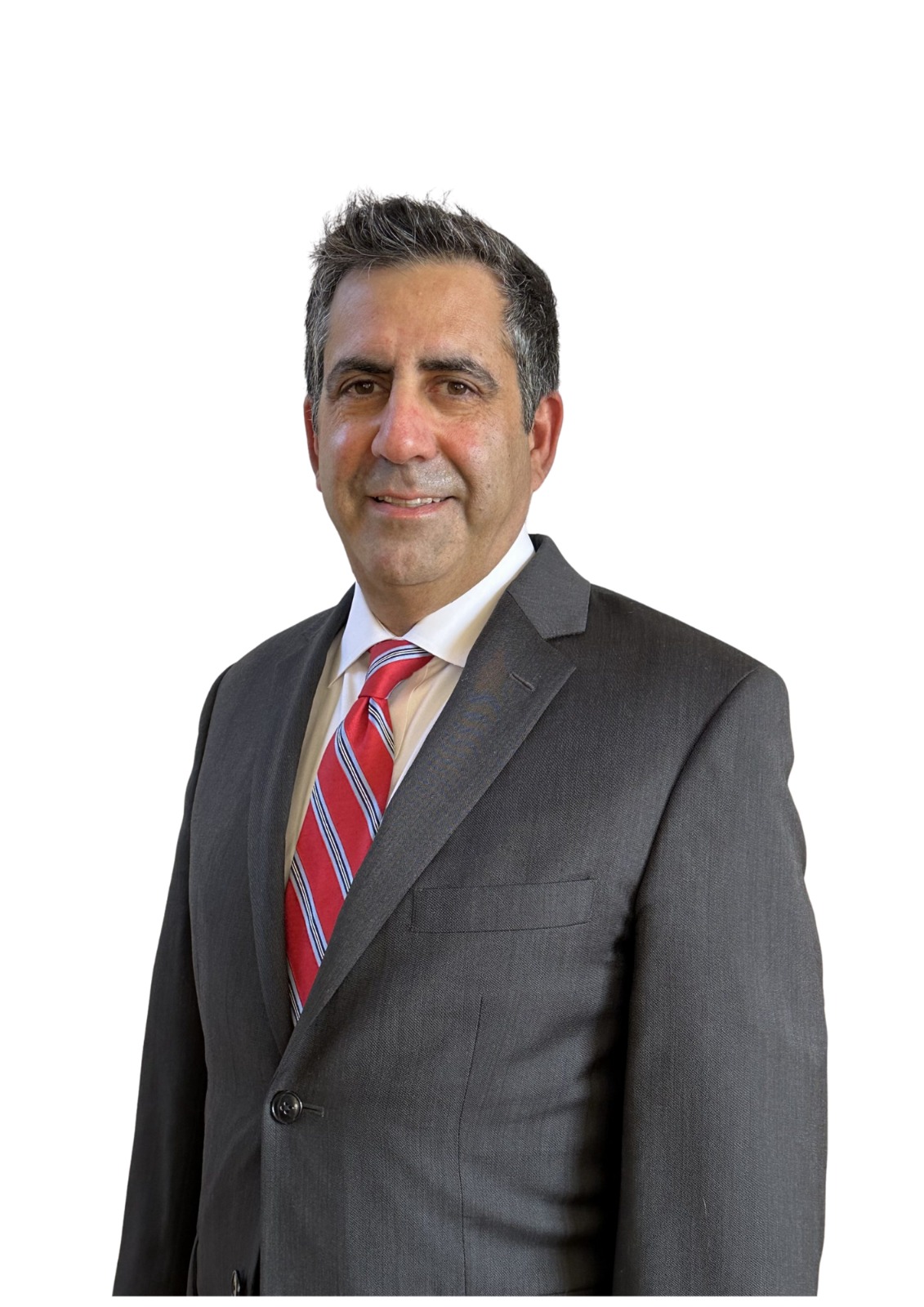
Written by
Shazam KianpourDenver Criminal Defense Attorney & Founder, Shazam Kianpour & Associates, P.C. — Over 10,000 criminal and traffic cases handled across Colorado.