
Legally Reviewed by Shazam Kianpour on August 21, 2026
Media reports at the time indicated that Justin Bieber was under investigation by the Los Angeles District Attorney’s Office for vandalism and assault in connection with an alleged egg-throwing incident. This case, now years in the past, remains a useful example of how a seemingly minor property dispute can turn into a serious criminal investigation, and it illustrates several legal principles that still apply to anyone investigated for property crimes in Colorado today.
Shazam Kianpour & Associates represents individuals across the Denver area who find themselves under investigation before any charges are formally filed. Understanding how these investigations unfold, and what rights apply throughout the process, is critical no matter how the underlying incident is described in the press.
What the Reports Described
According to media coverage from the time, the allegations stemmed from an incident reported to have occurred on or about January 9, 2014, in which eggs were allegedly thrown at a neighbor’s home, causing reported property damage said to exceed $20,000. The Los Angeles County Sheriff’s Office reportedly executed a search warrant at the residence in connection with the investigation, and reports indicated that a security video and cell phone footage may have been involved. This summary reflects only what was reported publicly at the time and is not a statement about how the matter was ultimately resolved.
How Criminal Mischief and Property Damage Charges Work in Colorado
Throwing objects at a home or vehicle may seem like a minor prank, but in Colorado it can result in a criminal mischief charge in counties such as Arapahoe, Jefferson, Adams, and Douglas, or a destruction of property charge in municipal courts in cities like Denver, Aurora, and Lakewood. Colorado law classifies criminal mischief based on the dollar value of the damage involved. Lower-value damage is typically charged as a petty offense or misdemeanor, while damage above certain statutory thresholds can be charged as a felony. The exact classification depends on the value alleged, prior record, and the jurisdiction handling the case.
Search Warrants and Your Fourth Amendment Rights
A search warrant allows law enforcement to search a specific location for specific evidence, but it does not eliminate a person’s constitutional protections. A warrant must be supported by probable cause and must describe with reasonable particularity the place to be searched and the items sought. If a search exceeds the scope of the warrant, or if the warrant itself was based on insufficient probable cause, evidence obtained during that search can potentially be challenged and excluded from a case.
Should You Speak to Police Without a Lawyer Present?
Anyone who is the subject of a criminal investigation has the right to remain silent beyond providing basic identifying information, and the right to have an attorney present during questioning. Statements made informally, even ones that seem harmless in the moment, can later be used as evidence. This is true whether the person under investigation is a public figure or a private citizen, and it is one of the most consistent pieces of guidance criminal defense attorneys give to clients who learn they are being investigated.
Is Video Evidence Automatically Admissible in Court?
Security footage and cell phone video are not automatically admissible simply because they exist. The party seeking to introduce video evidence generally must establish its authenticity and chain of custody, and the footage must be relevant to the charges. An attorney reviewing a case involving video evidence examines how it was obtained, whether it has been altered, and whether it was gathered in a manner consistent with the defendant’s constitutional rights.
Why Early Legal Representation Matters
Cases that begin as a report of alleged property damage can escalate into felony-level charges once the dollar value of the damage is calculated and prosecutors decide how to file. Retaining an attorney as soon as you learn you are under investigation, rather than waiting for formal charges, gives your defense team the opportunity to gather evidence, interview witnesses, and raise procedural issues while they are still fresh.
Shazam Kianpour has represented clients in more than 10,000 criminal and traffic cases across the Denver area, including property crime and criminal mischief investigations. If you find yourself under investigation for a crime, contact our office for a consultation to discuss your situation and begin building your defense.
Frequently Asked Questions About Criminal Mischief and Property Crime Investigations in Colorado
When does property damage become a felony in Colorado?
Colorado classifies criminal mischief based on the dollar value of the damage alleged, with higher-value damage carrying felony-level exposure. The exact threshold and classification depend on the value alleged and the specific facts of the case.
Do I have to answer questions if police say I am just a witness?
You are not required to answer substantive questions even if police describe your role as a witness, and speaking with an attorney before any interview helps clarify your rights and your actual status in the investigation.
Can evidence from an improperly executed search warrant be excluded?
Yes, in many circumstances. If a warrant lacked probable cause or if the search exceeded what the warrant authorized, an attorney can challenge the admissibility of evidence obtained during that search.
Is a video recording enough to prove a property crime charge?
Not automatically. Video must be authenticated, its chain of custody established, and it must be relevant to the charge before it can be used as evidence, which creates room for challenge in many cases.
Why should I contact an attorney before I am formally charged?
Early representation allows your attorney to gather evidence, interview witnesses, and identify procedural issues while they are still fresh, which can meaningfully shape how a case develops before charges are ever filed.
About the Attorney
Denver Criminal Defense Attorney
Shazam Kianpour has represented clients in more than 10,000 criminal and traffic cases across the Denver area. He is a graduate of California Western School of Law, has been licensed in Colorado since 2004, and holds a Lead Counsel Verification in criminal law covering state felony, misdemeanor, and drunk driving defense.
Source referenced above: New York Daily News, 2014.
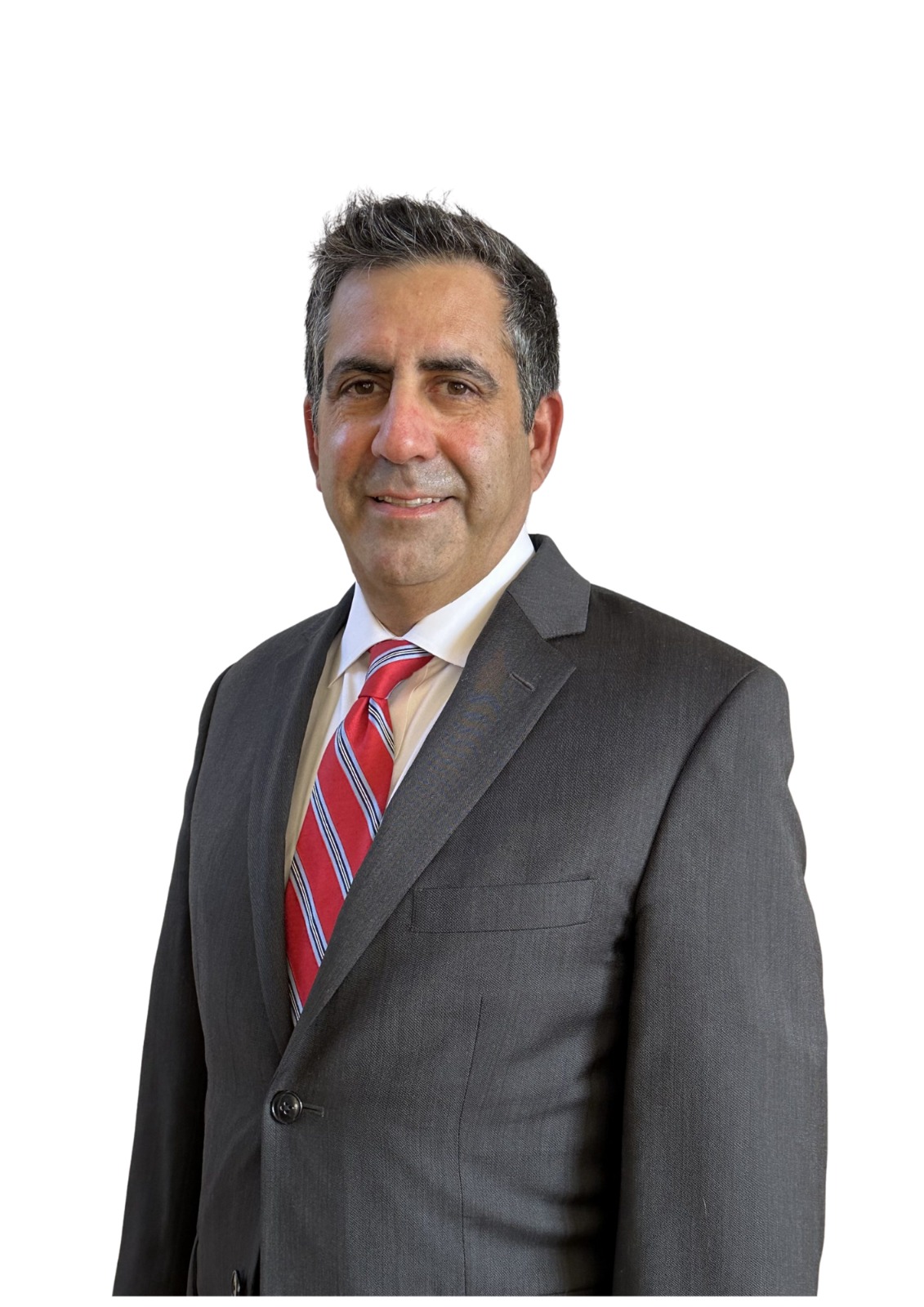
Written by
Shazam KianpourDenver Criminal Defense Attorney & Founder, Shazam Kianpour & Associates, P.C. — Over 10,000 criminal and traffic cases handled across Colorado.