
Legally Reviewed by Shazam Kianpour on August 20, 2026
Probation in a Colorado DUI case is determined by the judge based on the offense level, the defendant’s criminal history, and whether the person is considered a legitimate risk to public safety, with most first-time offenders eligible for one to two years of supervised probation instead of extended jail time. Society does not want dangerous drivers on the road, but judges also do not want to fill jails with people who do not need to be there, and Colorado law reflects that balance through mandatory probation terms for most DUI convictions.
At Shazam Kianpour & Associates, we help clients throughout the Denver area understand what to expect from DUI probation and, in many cases, work to negotiate terms that reflect the circumstances of the case. Many drivers charged with DUI (or DWAI) are non-violent people who are gainfully employed and do not pose a significant threat to society, which is why probation, rather than incarceration, is the outcome in most first and second offense cases.
How Colorado Law Determines DUI Probation Terms
Colorado law generally treats DUI probation as mandatory rather than discretionary. For a first-time DUI conviction, probation terms often run between one and two years. For a second or subsequent DUI, courts can order longer supervised probation, typically in the two-to-four-year range, reflecting the increased seriousness the law assigns to repeat offenses.
Because of this, DUI offenders may be offered probation in lieu of jail time. While some may believe that it is simply a slap on the wrist, probation is actually not easy. Probationers must remain law-abiding and avoid any new or similar criminal offenses during their probationary period.
What Judges Weigh Before Granting Probation
Judges must determine whether an offender is a legitimate threat to public safety before sentencing the person to probation. Factors typically considered include:
- Criminal history: The number of prior DUI or DWAI convictions and how close together they occurred.
- BAC level at arrest: Higher readings, particularly those meeting the persistent drunk driver threshold, can affect sentencing recommendations.
- Aggravating circumstances: Whether an accident, injury, or child endangerment was involved in the underlying stop.
- Substance abuse history: Any documented pattern of alcohol or drug dependency that a court may want addressed through treatment conditions.
Those with a likelihood of success under supervision are the ones most often offered probation rather than a jail-focused sentence.
What DUI Probation Actually Requires
Probation conditions in a Colorado DUI case are more involved than many defendants expect. Probationers must have regular meetings with their probation officers and are subject to random alcohol testing, since abstinence from alcohol is a common condition throughout the probationary period. Offenders may also be required to attend DUI classes and DUI victim impact panels designed to address the risks of impaired driving.
Most importantly, many probationers are required to install ignition interlock devices on their vehicles, which require a breath sample before the car will start and periodically while driving. Courts may also order community service, substance abuse evaluation and treatment, and periodic check-ins with the court itself in addition to standard probation supervision.
What Happens if Probation Is Violated
A probation violation in a DUI case, such as a failed alcohol test, a missed meeting, or a new arrest, can result in the court revoking probation and imposing the original jail sentence that was suspended. Colorado courts generally hold a hearing before revoking probation, giving the defendant an opportunity to explain the circumstances, but the burden of proof at a revocation hearing is lower than at trial, making violations a serious risk that should not be taken lightly.
How an Attorney Can Help With DUI Probation Eligibility
If you have questions about your eligibility for probation, an experienced Colorado criminal defense attorney can advise you on how your criminal history, the facts of your stop, and any aggravating factors are likely to be viewed by the court. In some cases, an attorney can negotiate probation terms directly with the prosecution before sentencing, potentially avoiding some conditions that would otherwise be requested.
Contact our office to discuss your DUI charge and what probation may look like in your specific case.
Frequently Asked Questions About DUI Probation in Colorado
How long does DUI probation typically last in Colorado?
First-time DUI convictions generally carry probation terms of one to two years. Second or subsequent convictions can result in longer supervised probation, typically in the two-to-four-year range depending on the circumstances and prior record.
Is jail time required in addition to DUI probation?
Not always. Many first-time DUI cases result in probation with little or no jail time, though a short jail term is sometimes imposed as a condition of the sentence, particularly when aggravating factors are present.
Is an ignition interlock device required on probation?
Many DUI probationers are required to install an ignition interlock device on their vehicle, which requires a breath sample before the car will start. Requirements can vary based on BAC level and prior offenses.
What happens if I fail a random alcohol test while on DUI probation?
A failed test can trigger a probation violation hearing, where the court may impose additional conditions, extend probation, or revoke probation entirely and impose the original suspended jail sentence.
Can a DUI probation sentence be negotiated before it is imposed?
In many cases, an attorney can negotiate specific probation terms and conditions with the prosecution ahead of sentencing, which may address concerns like scheduling for treatment programs or interlock installation timelines.
Source: Colorado Judicial Branch, Division of Motor Vehicles, Interlock Restricted License information, accessed Aug. 20, 2026
About the Attorney
Denver Criminal Defense Attorney
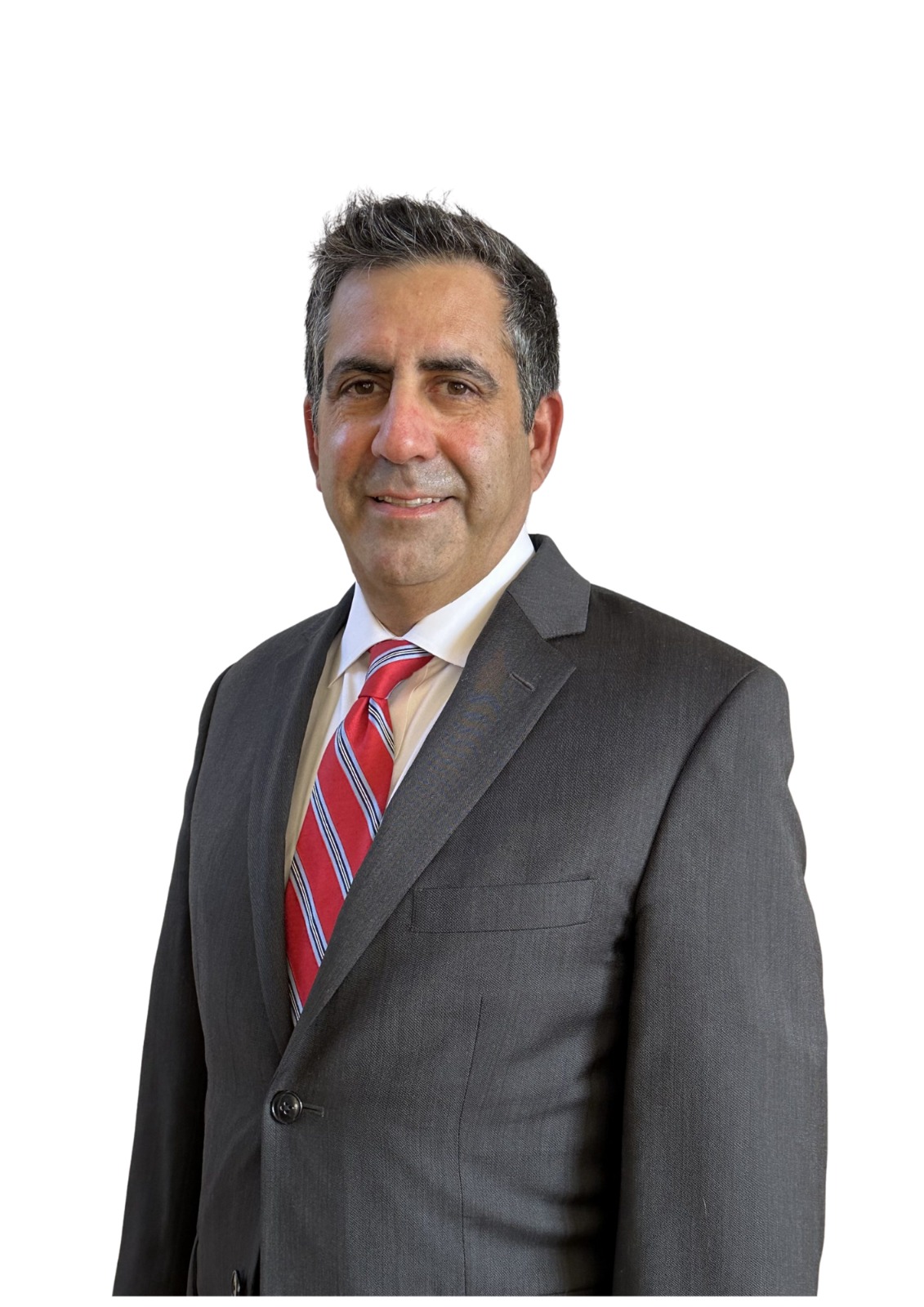
Shazam Kianpour has represented clients in more than 10,000 criminal and traffic cases across the Denver area. He is a graduate of California Western School of Law, has been licensed in Colorado since 2004, and holds a Lead Counsel Verification in criminal law covering state felony, misdemeanor, and drunk driving defense.
Written by
Shazam KianpourDenver Criminal Defense Attorney & Founder, Shazam Kianpour & Associates, P.C. — Over 10,000 criminal and traffic cases handled across Colorado.