
Legally Reviewed by Shazam Kianpour on August 17, 2026
Sobriety checkpoints and government impaired-driving surveys occupy an unusual place in constitutional law: courts have allowed them as a narrow exception to the normal rule that police need individualized suspicion before stopping a driver. That exception has never sat comfortably with civil liberties advocates, and a government-run roadside survey from several years ago put the tension on full display.
At Shazam Kianpour & Associates, we continue this discussion because the underlying constitutional questions have not gone away. As we began discussing in an earlier post, many individuals and rights advocates were not happy about a government survey on impaired driving that was conducted around the country, and the legal reasoning behind checkpoints and surveys still shapes how DUI cases are defended in Denver today.
A Decade-Old Controversy: The National Roadside Survey
Federal transportation officials said the National Roadside Survey of Alcohol and Drugged Driving provided them with vital statistics, but even the government admitted in internal documents that the procedure was “not routine by any means.”
The survey involved pulling over cars at random and asking drivers to submit to questioning about how often they drink or use drugs and drive. Drivers were also asked to take a breathalyzer test and were offered money to agree to more invasive testing and additional survey questions.
Participation in the survey was voluntary, and drivers who admitted to being drunk or who fail Breathalyzer tests were not arrested; they were given a ride home or put up in a motel. But even some police departments declined to help with the survey, questioning its legality.
The U.S. Supreme Court has ruled that police officers need probable cause to pull over drivers, although there is an exception for DUI checkpoints that meet certain requirements. The Court reasoned that the government’s desire to get drunk drivers off of the roads outweighs the intrusion on individual rights that comes with a properly conducted checkpoint. An attorney with the American Civil Liberties Union countered that survey-related traffic stops violate people’s rights because there is no sufficient reason for making people pull over and talk to government officials in the first place, according to reporting on the controversy at the time.
Why Sobriety Checkpoints Are a Narrow Exception to the Fourth Amendment
The Fourth Amendment generally requires police to have reasonable suspicion before stopping a vehicle. Sobriety checkpoints are one of the few recognized exceptions to that rule. The U.S. Supreme Court upheld the constitutionality of properly administered sobriety checkpoints, reasoning that the state’s interest in preventing drunk driving can outweigh the limited intrusion involved in a brief, uniform stop.
That exception is narrow, however. Checkpoints have to follow neutral, predetermined criteria, such as stopping every third car, rather than leaving the decision to an individual officer’s discretion. A checkpoint that deviates from its own published procedures can become vulnerable to a constitutional challenge.
Colorado’s Expressed Consent Law and What It Actually Means
Colorado operates under what the state calls its Expressed Consent Law, codified at C.R.S. 42-4-1301.1, and the Colorado Department of Transportation describes the rule plainly: by driving on Colorado roads, a driver has already agreed to submit to chemical testing if arrested on probable cause for DUI or DUID. That consent is not something a driver signs at the time of arrest; it is treated as a condition of holding a Colorado driver’s license.
This is one of the most misunderstood parts of Colorado DUI law. Many drivers assume they retain an unrestricted right to refuse any test an officer requests, when in reality the consequences of refusal after a lawful arrest are entirely different from the consequences of declining a preliminary test before an arrest is made.
Preliminary Breath Tests vs. Post-Arrest Chemical Tests
Before an arrest, a driver who is over 21 and not operating a commercial vehicle can generally decline a preliminary roadside breath test without an automatic penalty. Once an officer has probable cause and makes a lawful arrest, however, the expressed consent law requires the driver to submit to a chemical test of breath, blood, or urine. Declining at that stage is treated as a refusal under the statute, not as a request that can simply be denied without consequence.
What Happens If You Refuse a Post-Arrest Chemical Test
Refusing a chemical test after a lawful DUI arrest triggers an automatic driver’s license revocation through the Colorado Department of Revenue, separate from any criminal case. A first refusal typically results in a one-year revocation, and the consequences escalate for subsequent refusals. Prosecutors can also mention a refusal to a jury as evidence of consciousness of guilt, which is why the decision to refuse or comply carries real legal weight in both the administrative and criminal proceedings.
Your Rights at a Colorado DUI Checkpoint
Even within a constitutional checkpoint, drivers retain specific rights that officers must respect.
- The right to remain silent: You can decline to answer questions about where you have been or how much you have had to drink beyond providing your license, registration, and proof of insurance.
- The right to refuse a vehicle search: Officers need probable cause or your consent to search your vehicle at a checkpoint.
- The right to decline voluntary participation in a survey: Government roadside surveys, like the one described above, are voluntary, and drivers can decline to participate without legal consequence.
- The right to an attorney: If you are arrested, you have the right to speak with a criminal defense attorney before answering further questions.
Understanding which rights apply before an arrest and which obligations attach after an arrest is often the difference between a stop that ends with a warning and one that escalates into criminal charges.
How Our Firm Approaches Checkpoint and Refusal Cases
Every checkpoint stop and every roadside survey encounter raises its own factual questions: was the checkpoint operated according to a neutral, published protocol, did the officer have probable cause before requesting a chemical test, and was the driver properly advised of the expressed consent consequences. Our attorneys review police reports, checkpoint procedures, and testing documentation line by line to identify where the state’s process fell short.
Frequently Asked Questions About DUI Checkpoints and Testing in Colorado
Are DUI checkpoints legal in Colorado?
Yes, as long as the checkpoint follows neutral, predetermined criteria for stopping vehicles rather than leaving the decision to individual officer discretion. The U.S. Supreme Court has recognized properly administered sobriety checkpoints as a narrow exception to the usual requirement of individualized suspicion.
Can I refuse a breathalyzer test in Colorado?
You can generally decline a preliminary roadside breath test before an arrest without an automatic penalty if you are over 21 and not driving commercially. After a lawful DUI arrest, Colorado’s expressed consent law treats refusal of a chemical test as its own offense with separate license consequences.
What happens if I refuse a chemical test after a DUI arrest?
A first refusal typically results in an automatic one-year driver’s license revocation through the Colorado Department of Revenue, separate from the criminal case. Prosecutors may also introduce the refusal at trial as evidence for the jury to consider.
Do I have to answer questions at a DUI checkpoint?
You are required to provide your license, registration, and proof of insurance, but you can decline to answer questions about your activities or alcohol consumption beyond that. Politely stating that you would prefer to speak with an attorney is a common and reasonable response.
Is participation in a government roadside driving survey mandatory?
No. Federally sponsored roadside surveys of impaired driving have historically been voluntary, and drivers can decline to participate in the survey portion without facing legal consequences for that refusal alone.
Checkpoint stops and expressed consent violations involve overlapping constitutional and statutory rules that are easy to get wrong without legal training. Our firm has guided Denver drivers through more than 10,000 criminal and traffic matters, and we know how to identify procedural missteps in checkpoint operations and refusal paperwork alike.
If you were stopped at a checkpoint, asked to participate in a roadside survey, or charged after refusing a chemical test, the specific facts of that encounter matter. Reach out through our contact form to talk through what happened with our team.
About the Attorney
Denver Criminal Defense Attorney
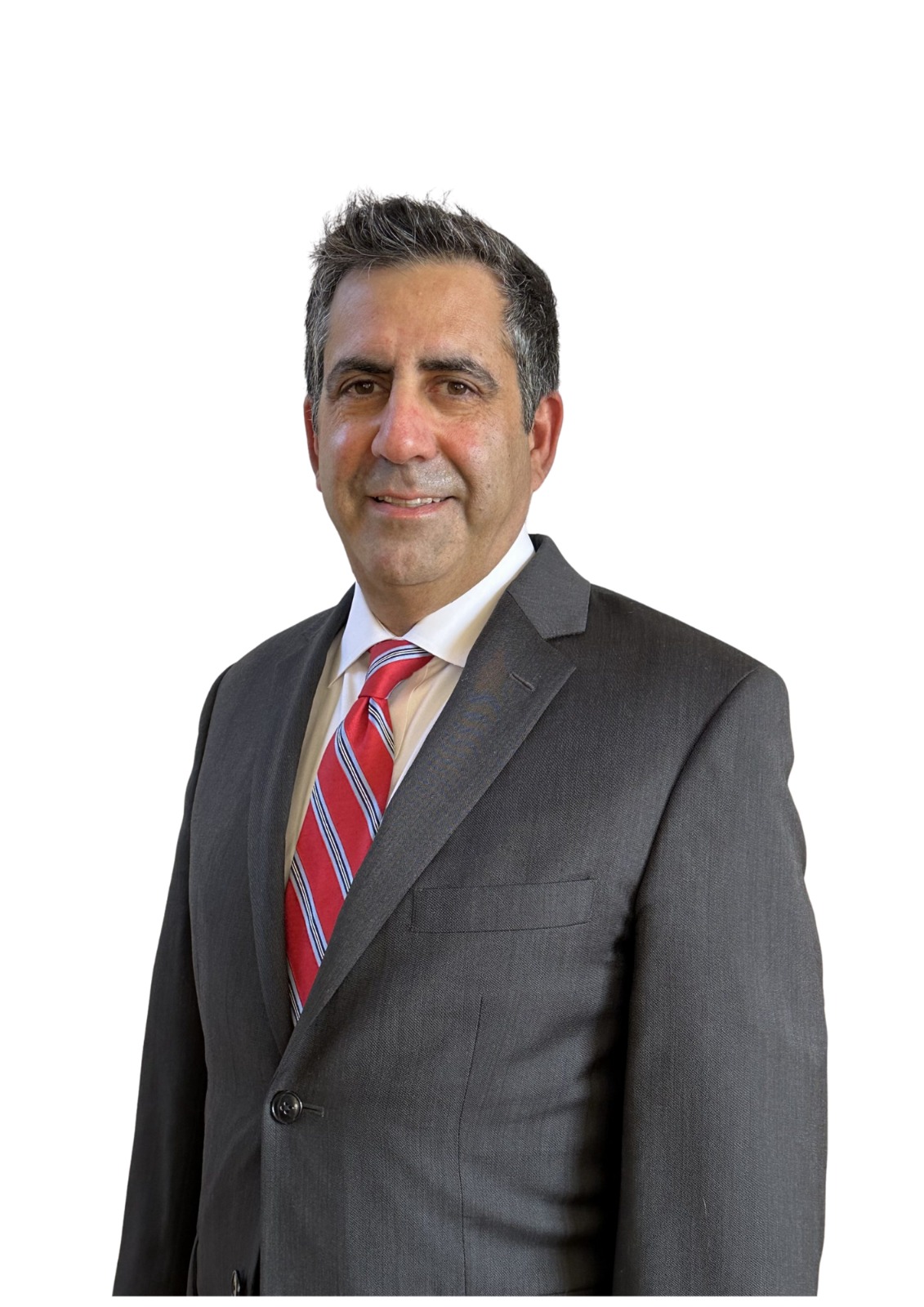
Shazam Kianpour has represented clients in more than 10,000 criminal and traffic cases across the Denver area. He is a graduate of California Western School of Law, has been licensed in Colorado since 2004, and holds a Lead Counsel Verification in criminal law covering state felony, misdemeanor, and drunk driving defense.
Written by
Shazam KianpourDenver Criminal Defense Attorney & Founder, Shazam Kianpour & Associates, P.C. — Over 10,000 criminal and traffic cases handled across Colorado.