
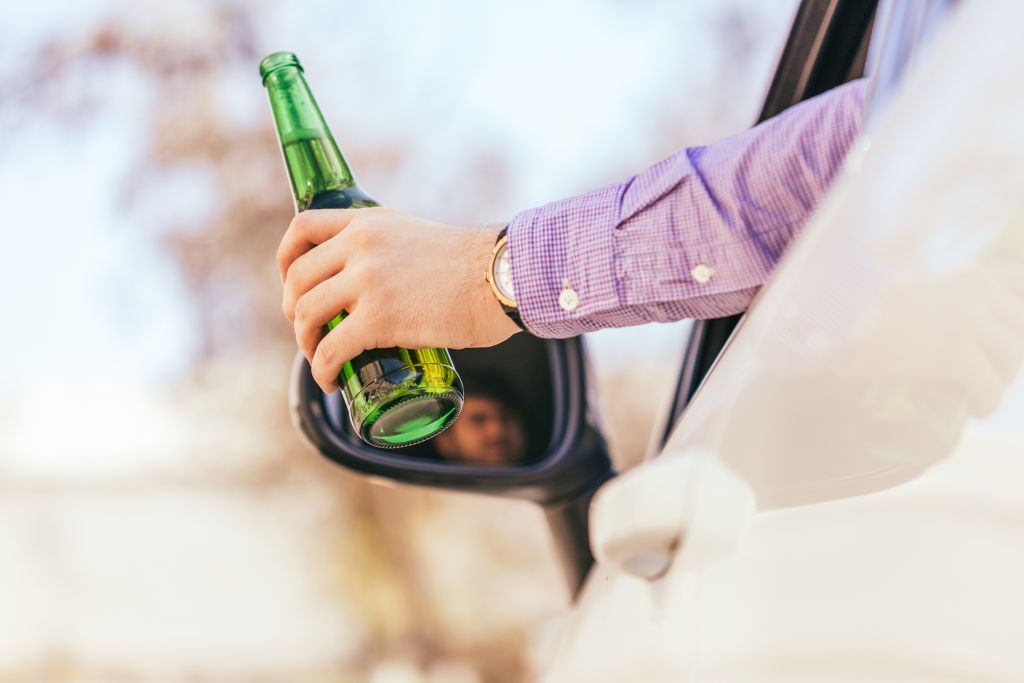
A first DUI (Driving Under the Influence) charge in Denver, Colorado is a serious legal matter with lasting consequences. Even though it is usually classified as a misdemeanor, it can still lead to jail time, fines, and loss of driving privileges.
The penalties vary depending on factors such as blood alcohol content (BAC), presence of passengers, or prior offenses. First-time offenders are also required to complete alcohol education programs and may be ordered to install an ignition interlock device.
Understanding what to expect after a first DUI arrest can help you make informed decisions and protect your legal rights.
Differences Between a 1st, 2nd, and 3rd DUI Offense
In Colorado, Driving Under the Influence (DUI) charges become more serious with each conviction. The legal system considers repeat DUI offenses as signs of ongoing risk to public safety.
While the first offense is usually treated as a misdemeanor, the penalties increase substantially with a second or third conviction.

A first DUI offense in Colorado is a misdemeanor
It typically includes up to one year in jail, fines ranging from $600 to $1,000, mandatory alcohol education, community service, and license suspension. Judges may allow alternatives to jail in some cases, depending on blood alcohol content (BAC), cooperation with police, and the defendant’s prior record.
A second DUI offense carries more severe penalties
Jail time becomes mandatory, with a minimum of 10 days. Fines may increase, and the court may impose longer probation periods and extended license suspension.
An ignition interlock device (IID) becomes a standard requirement for reinstating driving privileges. The court may also order more extensive alcohol treatment and monitoring.
A third DUI offense leads to even stricter consequences
Colorado law imposes a mandatory minimum of 60 consecutive days in jail. License revocation extends to two years, and reinstatement requires the installation of an IID for up to five years.
Courts view third offenses as repeated disregard for the law, and they rarely allow leniency. Individuals charged with a third DUI may also face felony charges if aggravating factors exist.
Each offense increases the chance of long-term consequences, including employment problems, insurance rate hikes, and permanent criminal records. Legal representation is strongly advised at any stage, but especially for second or third offenses.
Penalties You Can Face for a First DUI
A first DUI offense in Denver, Colorado brings multiple penalties that can affect your legal record, license, finances, and personal freedom.
Fines
The court can impose a fine between $600 and $1,000. This does not include additional court fees, surcharges, or costs for mandatory programs. Total out-of-pocket expenses often exceed the base fine.
Jail Time
A first DUI can result in 5 days to 1 year in jail. Judges may suspend jail time for first offenders with lower BAC levels or no aggravating circumstances. However, if your BAC is 0.20% or higher, jail time becomes mandatory.
License Suspension/Revocation
Your driver’s license can be suspended for up to nine months. You may be eligible for early reinstatement after one month if you agree to install an ignition interlock device and comply with all conditions set by the Department of Motor Vehicles (DMV).
Mandatory Alcohol Education Programs
Most first-time offenders must complete a state-approved alcohol education and treatment program. The number of required hours depends on BAC level and case details.
Ignition Interlock Device (IID)
To regain restricted driving privileges, most offenders must install an IID in their vehicle. The device requires breath samples before the vehicle can start and logs data for monitoring.
Community Service
A first DUI conviction usually includes 48 to 96 hours of community service. These hours must be completed at an approved nonprofit organization and documented for court verification.
Getting a Lawyer for First DUI
Hiring a DUI defense attorney after a first arrest in Denver is not legally required, but it is strongly recommended. DUI cases involve both criminal court proceedings and administrative actions through the DMV.

Without proper legal support, individuals may miss deadlines, fail to challenge evidence, or accept penalties that could have been reduced or avoided.
An experienced DUI attorney understands Colorado DUI law, including recent changes in court procedures, sentencing standards, and license reinstatement rules.
Legal counsel can evaluate whether law enforcement followed proper protocol during your arrest. This includes reviewing whether there was probable cause for the traffic stop, whether field sobriety tests were conducted correctly, and whether breath or blood test results are valid.
In some cases, a lawyer can negotiate with prosecutors to reduce the charge to a lesser offense such as “reckless driving” or secure a deferred sentence. This can help avoid jail time and reduce long-term damage to your criminal record and driving history.
A defense attorney also helps manage communication with the DMV. You must request a hearing within seven days of arrest to challenge the administrative license suspension. Missing this window results in automatic suspension, regardless of the court outcome.
A DUI conviction can affect employment, insurance rates, and even housing opportunities. Hiring a lawyer early allows for case evaluation, strategy development, and possible resolution with fewer long-term consequences.
In many first-time cases, legal representation makes a measurable difference in both outcome and stress level.
FAQ
What happens if I refuse to take a breath or blood test during a DUI stop?
Refusing a chemical test (breath, blood, or urine) in Colorado triggers immediate administrative penalties under the state’s implied consent law. If you refuse, your driver’s license will be revoked for at least one year, even if you are not later convicted in court.
The refusal will also be recorded and may be used as evidence of guilt during your criminal case. Additionally, you may be required to complete Level II alcohol education and treatment, install an ignition interlock device (IID) for two years, and carry SR-22 insurance.
The DMV considers refusal as a high-risk indicator, increasing the severity of reinstatement conditions.
Will a first DUI hurt my chances of getting a job or renting an apartment?
A first DUI conviction creates a permanent criminal record, unless successfully sealed. This can affect job applications, especially for positions that require driving, security clearance, or professional licensing.
Employers may reject candidates with DUI convictions during background checks. Commercial drivers (CDL holders) face automatic disqualification from operating commercial vehicles.
In terms of housing, many property managers and housing assistance programs perform background checks. A DUI conviction may lead to a denied rental application, particularly in competitive housing markets like Denver.
Can I get my first DUI removed from my record in Colorado?
In Colorado, DUI convictions cannot be expunged or sealed under current law. Once convicted, the charge remains on your criminal record permanently.
This applies even for first-time offenders. The only way to avoid a lasting record is to win a dismissal, acquittal, or have the charge dropped before conviction.
This is why hiring a qualified DUI attorney is important—especially early in the process.
Do I have to get SR-22 insurance after my first DUI?
Yes. If your license is revoked due to a DUI, you will likely need to file SR-22 insurance to reinstate driving privileges.
SR-22 is a certificate of financial responsibility that proves you meet Colorado’s auto liability insurance requirements. It must be maintained for up to 3 years depending on the case. S
R-22 typically results in higher insurance premiums, and failure to maintain it may cause further suspension.
Can I still travel if I have a DUI on my record?
Yes, but there may be restrictions depending on the terms of your probation. If you are placed on probation after a first DUI, you may need court or probation officer approval to travel out of state.
Additionally, other states will see your DUI on national background checks. If you are applying for a job or housing in another state, the record will still appear.
Some countries may also deny entry to individuals with DUI convictions, so international travel could be affected.