
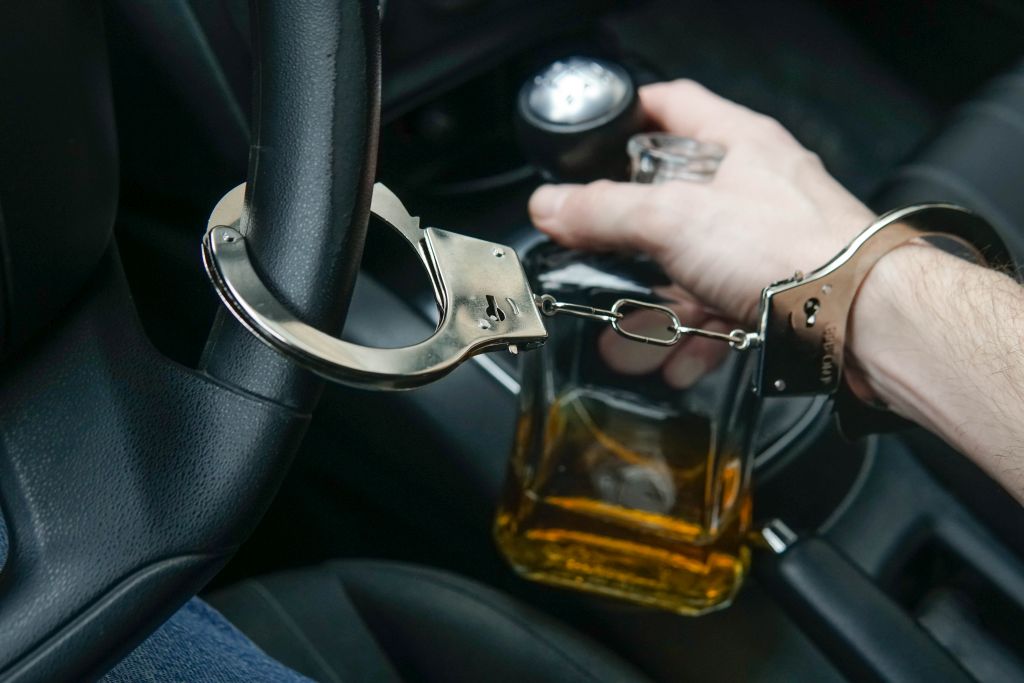
A third conviction for Driving Under the Influence (DUI) in Colorado brings severe legal and personal consequences. The law treats repeat offenses as a serious threat to public safety, and courts impose strict penalties to reflect that.
In Denver, individuals facing a 3rd DUI can expect long jail sentences, high fines, and long-term loss of driving privileges. These penalties affect not only legal status but also employment, finances, and daily life.
Jail Time and Sentencing Risks After a Third DUI
In Colorado, a third conviction for Driving Under the Influence (DUI) carries serious jail consequences.
Unlike a first DUI offense, or second DUI offense, which may result in more lenient penalties, a third conviction signals to the court that previous consequences did not deter the behavior. Courts treat repeat DUI cases as a sign that prior penalties did not correct the behavior.
Because of that, the law imposes strict jail time for third-time offenders. Judges in Denver and across the state follow mandatory minimum sentencing guidelines, and they often issue even longer jail terms based on the facts of the case.

2024 DUI Trends in Colorado
- 203 DUI-related fatalities reported in 2024, an 11% decrease from 218 in 2023 — lowest since 2019.
- Over 16,000 DUI arrests recorded statewide in 2024.
- 35% of DUI arrests in 2024 involved repeat offenders.
- 559 DUI arrests made by Denver Police Department during high-enforcement periods.
- Colorado law enforcement ran 16 DUI enforcement campaigns in 2024, focusing on holidays and weekends.
Under Colorado Revised Statutes, a 3rd DUI offense may lead to a minimum of 60 consecutive days in jail. This sentence is mandatory, meaning the court cannot suspend or replace it with probation or home detention.
Depending on the circumstances, the jail term may be increased up to one year. If aggravating factors exist—such as a high blood alcohol concentration, prior criminal history, or driving with a child in the car—judges may choose to issue longer sentences within the allowed range.
Time spent in custody may be served in county jail or, in rare cases, transferred to a state correctional facility if the offense is charged as a felony.
Additional penalties like work-release programs or day reporting centers may be used, but the court rarely allows these in third-offense cases unless strong mitigating circumstances exist.
It is also important to understand that time spent in jail has consequences beyond incarceration. Many people lose their jobs, struggle to pay bills, and face long-term damage to their reputation.
For those charged with a third DUI, securing legal representation immediately is necessary to review possible sentencing outcomes and explore defense strategies.
Fines and Financial Penalties for Repeat Offenders
A 3rd DUI conviction in Colorado brings significant financial consequences. The court may issue fines, order the payment of court costs, and require participation in various mandatory programs, all of which must be paid by the defendant. These costs add up quickly and can impact a person’s finances for years.
The fine for a third DUI conviction can range from $600 to $1,500. This is only the base amount. Courts also add mandatory surcharges and administrative fees.
These include costs for alcohol education and treatment classes, probation supervision, victim impact panels, and court processing. Total out-of-pocket expenses can exceed $10,000 once all payments are included.
Insurance premiums also increase significantly after a 3rd DUI conviction. A person labeled as a high-risk driver may have to carry SR-22 insurance, which is required to reinstate driving privileges.
This type of coverage is costly and must be maintained for a set number of years. Failure to keep this insurance in place can result in another suspension of driving privileges.
In addition to direct fines and fees, the loss of income due to time spent in jail, court appearances, and restricted driving privileges adds further strain.
If the offense leads to job loss or limits employment opportunities, the financial damage becomes even greater.
Legal representation in a third DUI case can help review all the financial risks involved and possibly reduce or avoid some penalties.
In Denver courts, skilled DUI attorneys often work to negotiate reduced fines or alternative resolutions when allowed by law.
License Revocation and Long-Term Driving Restrictions
After a third DUI conviction in Colorado, the Department of Motor Vehicles (DMV) will revoke the offender’s driver’s license. This revocation is not optional.

It is required by law and comes with conditions that must be met before driving privileges can be restored. For many individuals in Denver, losing the ability to drive can affect their ability to work, care for family, or attend court-mandated programs.
The license revocation period for a 3rd DUI typically lasts for two years. This means the person cannot legally operate any motor vehicle during that time unless they are granted limited driving privileges under specific conditions.
In most cases, reinstatement is only possible after serving a mandatory portion of the revocation period and installing an ignition interlock device (IID).
The IID must be installed in any vehicle the person intends to drive and must remain in use for two to five years, depending on the case.
Before reinstating a license, the individual must also complete all court-ordered treatment and education programs. These programs address substance use and impaired driving behavior.
Proof of completion must be submitted to the DMV along with a reinstatement application and proof of SR-22 insurance.
Driving without a valid license during a revocation period results in additional criminal charges and longer suspension times.
Courts in Denver take these violations seriously and often impose new penalties, including jail time.
An attorney familiar with DUI law can guide clients through the reinstatement process and help them meet all legal requirements. In many cases, legal support is essential to avoid further complications.
What Happens if a Third DUI Involves Injury or Death
When a third DUI incident results in injury or death, the legal consequences increase significantly. In Colorado, causing bodily harm or fatality while under the influence of alcohol or drugs changes the nature of the offense.
The charge moves from a standard DUI to more serious felonies, such as vehicular assault or vehicular homicide.
Vehicular assault occurs when a person causes serious bodily injury to another while driving under the influence. This is a Class 4 felony in Colorado and carries a possible prison sentence of 2 to 6 years, along with fines of up to $500,000.
Vehicular homicide, which involves causing the death of another person while impaired, is a Class 3 felony. This offense carries a prison sentence of 4 to 12 years, and fines can reach $750,000.
These penalties apply even if the driver has no prior convictions, and they are more severe for repeat offenders.
If a person is facing a 3rd DUI and the incident involved injury or death, prosecutors may also seek sentencing enhancements. These include longer prison time, mandatory parole, and loss of vehicle ownership.
Courts rarely allow plea agreements in these cases unless there is a clear legal issue with the evidence or arrest procedure.
The emotional and financial consequences for the victim’s family also play a role in how the court handles the case. Judges often consider victim impact statements when determining sentencing. In Denver, law enforcement and district attorneys treat these cases with the highest level of seriousness.
Legal defense in such cases requires immediate action. Any delay may result in missed deadlines, limited negotiation options, or additional charges.
A qualified DUI attorney can review evidence, question the process followed during the arrest, and work to protect the defendant’s rights throughout the case.
Possible Legal Defenses and Options for Reducing Penalties
A third DUI charge in Colorado does not automatically lead to conviction. While the legal system treats repeat DUI cases seriously, there are legal defenses and procedural strategies that may reduce or dismiss the charges.
Every case depends on specific facts, and legal representation is essential to review available options.
One of the most common defense strategies involves challenging the legality of the traffic stop. Law enforcement must have a valid reason to stop a vehicle.
If the stop was not supported by probable cause, any evidence gathered during the stop—including breath or blood tests—may be excluded in court.
Another defense may focus on the accuracy of the blood alcohol concentration (BAC) testing. Breathalyzer and blood test results must follow strict procedures.
Equipment must be maintained and calibrated properly, and personnel must follow proper collection methods. Mistakes in testing or documentation can be grounds for dismissal or reduction of charges.
A third strategy includes examining the conduct of the arresting officer. If the officer failed to follow proper arrest procedures or violated the defendant’s rights, that could influence the outcome of the case.
Attorneys may also introduce mitigating factors, such as voluntary enrollment in treatment programs or low BAC levels, to negotiate lower penalties.
In some cases, legal counsel can negotiate a plea agreement that reduces the offense to a lesser charge or limits jail time. This may include options such as deferred sentencing, alternative sentencing programs, or probation under strict terms.
Facing a 3rd DUI charge in Denver requires a serious legal response. An experienced DUI attorney can review the evidence, identify weaknesses in the prosecution’s case, and advocate for the best possible outcome in court.
Early legal intervention is often the difference between maximum penalties and a more manageable result.
Know Your Options—Act Fast After a Third DUI
The consequences of a third Driving Under the Influence (DUI) offense in Colorado are not just serious—they are life-changing. Jail time, financial penalties, license revocation, and felony charges can affect your job, your freedom, and your future. If injury or death is involved, the stakes rise even higher.
You need to act quickly. Whether you are facing charges or someone close to you has been arrested, having the right legal strategy can change the outcome. Do not wait to see what happens next.
Call Shazam Kianpour & Associates, P.C. at 303-825-1075 to schedule your free consultation. Our attorneys know the Denver court system and have years of experience defending complex DUI cases. We will explain your rights, review your case, and help you take the next step forward with a strong defense.