
Every driver who holds a Colorado license has already agreed to something most people never think about. Under the state’s express consent law, you gave your consent to submit to a chemical test the moment you accepted your driving privileges. If a police officer pulls you over with probable cause to believe you are driving under the influence in Denver, you are legally required to comply with a request for a breath or blood test, and refusing could lead to consequences that go beyond the DUI itself.
The team at Shazam Kianpour & Associates, P.C. has spent over 22 years helping Colorado drivers navigate the confusion and stress that comes with DUI-related charges. Understanding how express consent works, where the law leaves room for debate, and what your rights are during a traffic stop can make all the difference in protecting your future.
How Express Consent Works in Colorado
Colorado’s express consent statute, codified under C.R.S. §42-4-1301.1, requires anyone operating a motor vehicle on the state’s roads to submit to a chemical test if an officer has probable cause to suspect impaired driving. This means if a law enforcement officer believes you are under the influence of alcohol, drugs, or both, you may be asked to provide a breath or blood sample. According to the Colorado Department of Transportation, the law applies to all drivers in Colorado, including out-of-state residents and those without a valid Colorado license.
Breath Versus Blood Testing
When an officer requests a chemical test, drivers who are 21 or older generally have the right to choose between a breath test and a blood test. However, once you make your selection, you typically cannot change your decision. If the officer has reason to believe drugs are involved, the officer may require a blood test regardless of your preference. It is important to note that roadside portable breath tests, often used during initial traffic stops, are not the same as the formal chemical tests that can determine DUI outcomes. The formal test must be completed within two hours of the traffic stop.
Penalties for Refusing a Chemical Test
Declining to provide a breath or blood sample carries significant administrative penalties. A first-time refusal results in a one-year revocation of your driving privileges. You will also be designated as a Persistent Drunk Driver, which requires completion of a Level II Alcohol Education program and installation of an ignition interlock device for at least two years after your license is reinstated. These penalties are enforced by the Colorado Department of Revenue independently from any criminal charges, meaning you could face these consequences even if your DUI case is later reduced or dismissed.
Penalties for refusing or failing a chemical test can include the following:
- A one-year license revocation for a first-time refusal
- A nine-month license revocation for a first-time test failure at or above 0.08 BAC
- Mandatory ignition interlock device installation for two years following refusal
- Required enrollment in a Level II Alcohol Education program
Drivers under 21 face additional restrictions, including no early reinstatement and a minimum two-year interlock requirement if their test results show a BAC of 0.15 or higher.
Why Probable Cause Creates Confusion
One of the most debated elements of the express consent law centers on the concept of probable cause. An officer must have a reasonable basis for believing you are impaired before requesting a chemical test. In practice, what constitutes probable cause is often subjective and varies from one traffic stop to the next. An officer’s perception of slurred speech, the smell of alcohol, or even a minor traffic infraction can be used to justify a testing request, and these observations do not always reflect the full picture.
Miscommunication During Traffic Stops
The stress of a DUI stop can lead to misunderstandings that escalate the situation. For example, a driver may express willingness to take a breath test but decline a blood draw due to a fear of needles or a medical condition. If the officer interprets this as a blanket refusal, the driver could face the full penalties of noncompliance. Similarly, a driver who initially agrees to a test but then hesitates or changes their mind may be treated as having refused entirely. These gray areas highlight why the first 24 hours after a DUI arrest are so critical for building a defense.
Protecting Your Rights During a DUI Stop
Understanding how field sobriety tests work and what officers can legally require is an important first step in protecting yourself. While you are required to submit to a formal chemical test after an arrest, you still have the right to refuse a roadside portable breath test before an arrest is made. Knowing the difference between these two types of tests can help you make informed decisions in the moment and avoid unnecessary penalties.
A skilled defense attorney can examine the details of your stop, including whether the officer had legitimate probable cause, whether you were properly advised of your rights, and whether any errors in the testing process could affect the outcome of your case.
Contact Shazam Kianpour & Associates for Trusted DUI Defense
Shazam Kianpour & Associates, P.C. has built a reputation as Denver’s premier criminal and traffic defense law firm by providing the kind of personal attention that larger firms cannot match. Mr. Kianpour graduated at the top of his class in Criminal Law, has assisted thousands of Colorado clients, and has been recognized by the National Trial Lawyers and Super Lawyers for his dedication to defense work.
If you are facing DUI charges or have questions about how Colorado’s express consent law may affect your case, do not wait to seek legal guidance. Our team is ready to fight for your rights and help you understand every option available. Reach out to us today to schedule a consultation and put a fearless fighter in your corner.
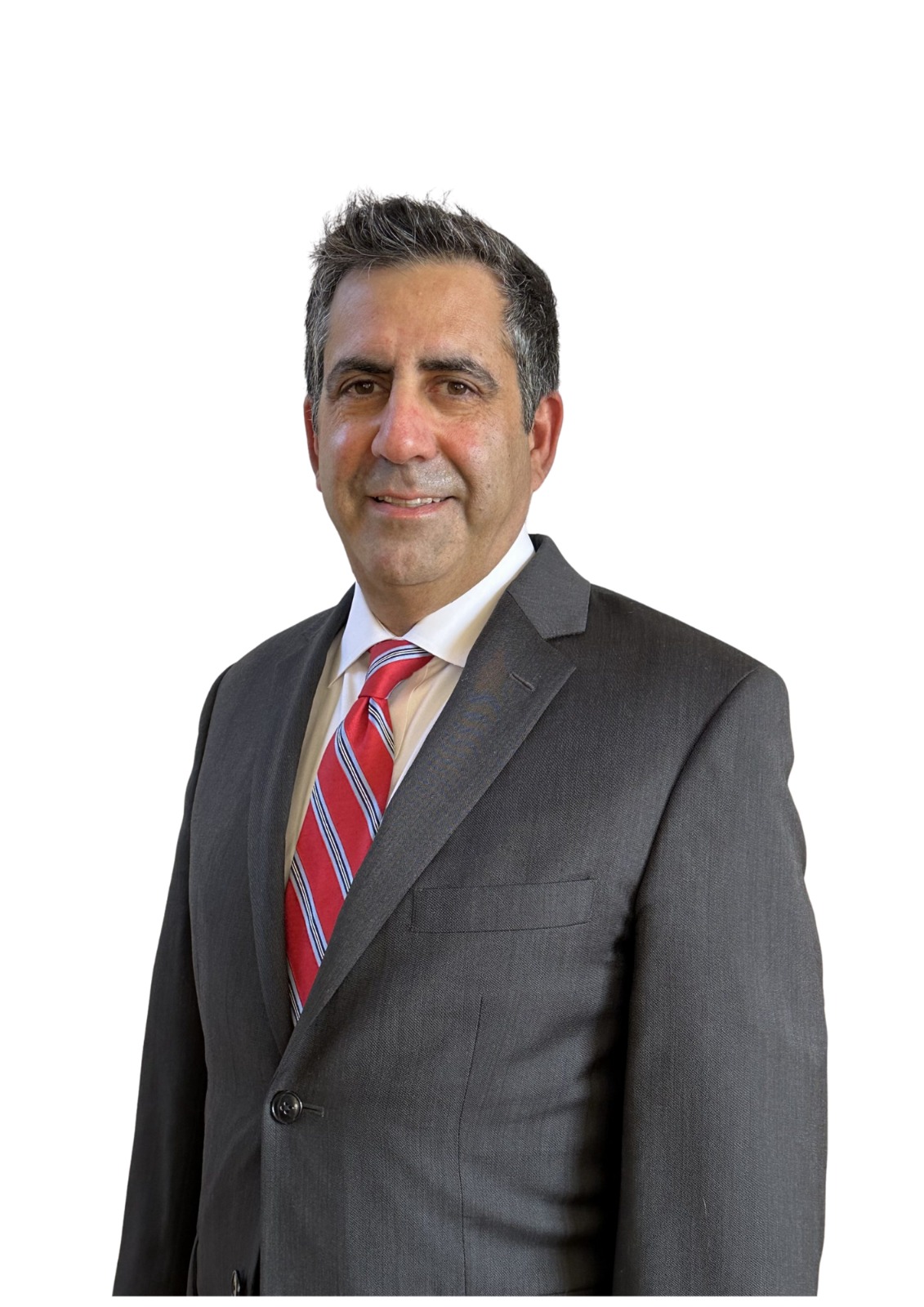
Written by
Shazam KianpourDenver Criminal Defense Attorney & Founder, Shazam Kianpour & Associates, P.C. — Over 10,000 criminal and traffic cases handled across Colorado.