
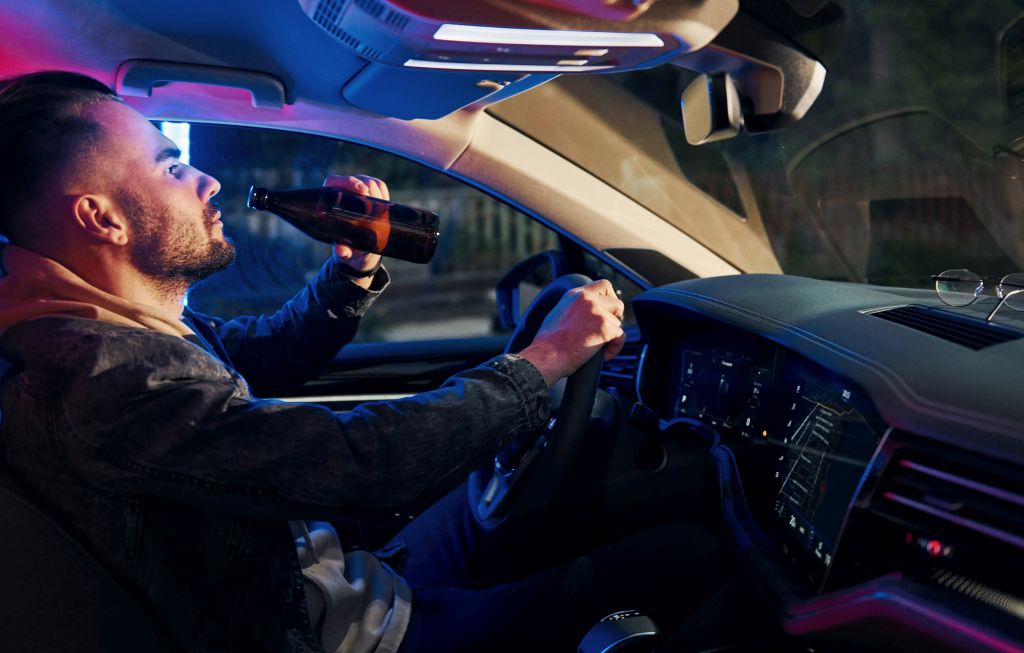
Drunk driving remains a serious public safety issue in Denver, Colorado. It leads to preventable injuries, deaths, and long-term legal consequences.
Every individual has a role in reducing the number of impaired drivers on the road. This includes taking action before someone drives under the influence and supporting ongoing education and enforcement efforts.
The following sections explain how to prevent drunk driving and what legal consequences apply to offenders.
Importance of Preventing Drunk Driving Accidents
Drunk driving accidents remain a major threat to public safety in Denver, Colorado. These incidents often lead to serious injuries, long-term disabilities, and loss of life.

DUI Statistics for Denver and Colorado
- Denver reported zero DUI incidents as of June 2025.
- Colorado recorded 1,579 DUI arrests and 49 DUI-related deaths from January to April 2025.
- In 2024, there were 203 impaired-driving deaths statewide, including 18 in Denver County.
- The state runs regular DUI enforcement campaigns during holidays and special events.
- Refusing a DUI test in Colorado results in a 12-month license suspension and other penalties.
They also cause emotional and financial damage to victims and their families. Preventing these accidents starts with understanding the serious consequences involved.
Driving under the influence (DUI) refers to operating a vehicle while impaired by alcohol or drugs. In Colorado, the legal blood alcohol content (BAC) limit is 0.08%. Even at lower levels, a driver’s judgment, coordination, and reaction time can be affected.
Accidents caused by impaired drivers are entirely preventable. Data from the National Highway Traffic Safety Administration (NHTSA) shows that alcohol-related crashes cost the United States billions of dollars each year.
Local agencies in Denver continue to invest in awareness campaigns and law enforcement strategies, but public participation remains essential.
Drivers, passengers, and pedestrians all share the responsibility of preventing drunk driving. This includes speaking up when someone attempts to drive after drinking, reporting unsafe driving to authorities, and making safe personal choices.
No one benefits from delayed action. Victims of drunk driving may require legal, medical, and financial support for years.
Law firms in Denver often handle cases involving injury or wrongful death due to DUI accidents. These cases highlight how one poor decision can change lives permanently.
Preventing these events should remain a top priority for anyone using the road. It is not just a legal matter—it is a matter of public responsibility.
Organizing Safe Transportation Options
One of the most effective ways to reduce drunk driving in Denver is to ensure safe transportation options are always available. Organizing transportation in advance prevents impaired individuals from getting behind the wheel.

This can apply to events, social gatherings, or nights out at bars or restaurants. With the availability of modern tools and services, there is little excuse for not arranging a safe ride.
Ride-sharing services such as Uber and Lyft operate throughout Denver. These platforms provide reliable transportation at any hour, making them ideal alternatives to driving after drinking.
Taxis also remain a practical choice and can be booked in advance. Public transportation options, including buses and light rail, run on set schedules and cover many parts of the city.
Designated driver programs are also useful. A designated driver is a person who agrees to stay sober and drive others home safely.
This role should be chosen before the start of any event involving alcohol. Hosts can also help by offering to collect car keys from guests and arranging for rides when needed.
Some Denver businesses and organizations work with transportation companies to offer discounted or free rides during holidays or special events. These programs reduce the number of impaired drivers on the road and lower the risk of accidents.
Organizing transportation should be a standard part of any plan that involves alcohol. It is a direct way to protect lives and avoid legal consequences. Taking simple steps before a night out can make a major difference for everyone involved.
Raising Awareness About Drunk Driving Risks
Public awareness is a major tool in the effort to reduce drunk driving in Denver. Many people underestimate the dangers of driving after consuming alcohol.
Education helps individuals understand how even small amounts of alcohol can impair judgment and reaction time. Awareness also shows the legal, physical, and financial risks involved.
Schools, community centers, and local governments run awareness campaigns throughout the year. These programs often focus on young drivers, as data shows they are more likely to take risks with alcohol and driving.
Educational materials may include real stories, statistics, and law enforcement presentations. The goal is to make people think twice before making unsafe choices.
Parents and community leaders also play a role in raising awareness. By openly discussing the risks of impaired driving and setting strong examples, they can influence decisions at home and in the community.
Awareness campaigns also highlight the importance of looking out for others—encouraging people to speak up if they see someone about to drive drunk.
In Denver, awareness efforts often increase during high-risk times like holidays and major sporting events. Local agencies collaborate with advocacy groups to run advertisements, distribute flyers, and post messages across social media.
These efforts aim to reach as many people as possible with clear, consistent messaging.
Raising awareness is not limited to large campaigns. Small actions—such as sharing information with friends or attending a local safety event—can also make an impact. The more people understand the risks, the fewer will choose to drive impaired.
Educate and Influence Family and Friends
Changing behavior starts within personal networks. Educating and influencing family and friends about the risks of drunk driving can prevent future accidents.

Many impaired drivers do not act out of malice. They often believe they are capable of driving, especially if they do not feel visibly drunk. In these moments, a trusted person can make the difference by speaking up.
Conversations should be direct and based on facts. Make it clear that alcohol affects everyone differently, and that there is no safe amount of drinking before driving.
Explain that even a short drive under the influence (DUI) can result in a crash, injury, or arrest. Let them know about the legal consequences in Colorado, which can include fines, license suspension, mandatory classes, and jail time.
Encourage safe habits by suggesting practical alternatives. Help others understand how to plan ahead by booking a ride, using a designated driver, or staying overnight.
Share phone numbers for ride services or explain how to use ride-sharing apps. These small steps remove excuses and help people make better choices.
Influencing others also involves setting an example. If you avoid drinking and driving, others are more likely to do the same. Offer to be a designated driver or help someone find a ride when needed.
Never ignore signs that a friend or family member is too impaired to drive.
In Denver, community support is strong. Take advantage of available resources, including local campaigns and support groups. Keep the message simple: drinking and driving is dangerous, preventable, and unacceptable.
Legal Consequences for Drunk Drivers
Drunk driving is a serious crime in Colorado. The legal term for it is Driving Under the Influence (DUI). A DUI charge applies when a person operates a vehicle with a blood alcohol content (BAC) of 0.08% or higher.
Even lower BAC levels can result in a Driving While Ability Impaired (DWAI) charge. Both carry penalties that can affect a person’s life for years.
First-time DUI offenders may face fines, jail time, community service, mandatory alcohol education, and license suspension.
The court may also require the use of an ignition interlock device, which prevents a vehicle from starting if alcohol is detected on the driver’s breath. Repeat offenders face harsher penalties, including longer jail sentences and permanent license revocation.
Colorado treats DUI accidents that result in injury or death as felonies. Offenders can face prison time and civil lawsuits.
Victims of DUI crashes have the right to pursue compensation for medical bills, lost wages, pain, and other damages. A personal injury attorney can help with filing claims and building a legal case.
Denver law enforcement takes DUI enforcement seriously. Police conduct regular sobriety checkpoints and patrols, especially during weekends and holidays. Refusing a breath or blood test can result in automatic license suspension under Colorado’s express consent law.
Understanding the legal consequences helps people make informed decisions. The cost of a DUI goes beyond fines. It affects employment, insurance, and reputation. The legal system holds impaired drivers accountable, but prevention remains the best option.
Protect Yourself and Others
Preventing drunk driving requires responsible choices, awareness, and quick action when risks appear. But even with the best efforts, incidents still happen.
Whether you’ve been charged with Driving Under the Influence (DUI), injured by an impaired driver, or involved in a related legal matter, getting legal help early is important. You should not try to handle these situations alone.
If you need legal guidance, contact Shazam Kianpour & Associates, P.C. Our team has experience handling DUI defense and personal injury cases throughout Denver and the surrounding areas. Call 303-825-1075 to schedule a free consultation and get the support you need to protect your rights and future.